Discover the Vital Role of Medical Tissue Wipes in Maintaining Healthcare Hygiene
What Are Medical Tissue Wipes and How Do They Enhance Healthcare Practices?

Medical tissue wipes are meticulously designed, disposable, pre-moistened wipes specifically crafted for use in medical environments. Their essential function is to uphold the highest hygiene and cleanliness standards, which are crucial in healthcare settings. These wipes efficiently cleanse surfaces, medical equipment, and even skin, creating a sterile environment that is vital for patient safety and effective infection control. Their potent ability to eliminate harmful pathogens makes them indispensable for healthcare professionals, where maintaining cleanliness is not just beneficial but a necessity for optimal patient care.
The versatility of medical tissue wipes highlights their importance across various healthcare applications. Designed for user-friendliness, these wipes enable healthcare practitioners to swiftly address sanitation needs without relying on bulky cleaning tools or complex protocols. This ease of use is particularly significant in high-pressure settings like hospitals and clinics, where every moment counts for ensuring patient safety and delivering high-quality care efficiently.
Exploring the Historical Development of Medical Tissue Wipes
The advancement of medical tissue wipes was driven by a growing need for effective and hygienic cleaning solutions in healthcare facilities. Initially, healthcare professionals relied on basic cloths and chemical solutions for cleaning. However, as knowledge surrounding infection control improved, the demand for sophisticated cleaning products also increased. The introduction of pre-moistened wipes represented a significant leap forward in combating hospital-acquired infections, providing a convenient, ready-to-use alternative that can be deployed quickly and with effectiveness.
Over the years, both the technology and formulation of medical tissue wipes have evolved considerably. Earlier versions primarily focused on basic sanitisation, while modern wipes now incorporate a diverse array of active ingredients, offering enhanced antibacterial and antiviral properties that improve their effectiveness against a wider spectrum of pathogens.
How Are Medical Tissue Wipes Crafted for Maximum Effectiveness?
Medical tissue wipes undergo a detailed manufacturing process that combines robust non-woven fabrics with expertly formulated sanitising solutions. The initial step involves selecting high-quality nonwoven materials renowned for their strength and absorbency. This fabric is then saturated with a sanitising solution that is effective against a wide range of bacteria and viruses, ensuring that each wipe provides outstanding cleaning power.
<pThe manufacturing phase is complemented by stringent quality assurance checks to ensure that the wipes are consistently moistened and free from contaminants. Moreover, the packaging is designed to maintain sterility and efficacy until the wipes are needed, guaranteeing that they remain reliable tools for healthcare practitioners in their relentless fight against infections.
Diving into the Diverse Range of Medical Tissue Wipes Available on the Market
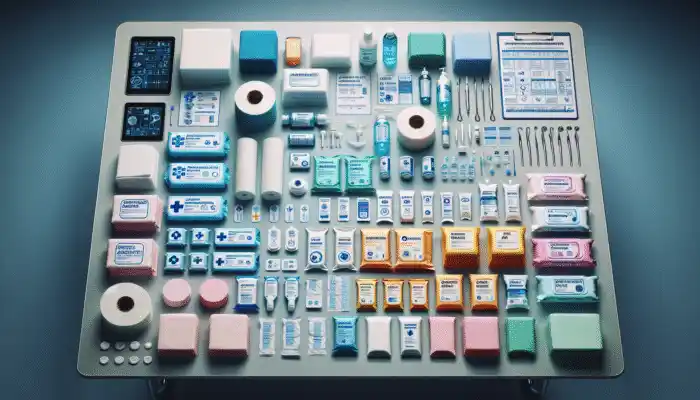
A wide array of medical tissue wipes is currently available, each designed to address specific cleaning and sanitising requirements. These include:
- Antibacterial Wipes: Engineered to eliminate bacteria upon contact, ideal for general disinfecting tasks.
- Antiviral Wipes: Incorporating agents that specifically target viruses, crucial for preventing viral infections.
- Alcohol-Free Wipes: Designed for sensitive skin or surfaces that may be adversely affected by alcohol-based products.
- Surface Disinfectant Wipes: Specifically formulated for cleaning medical equipment and hard surfaces.
- Skin Cleansing Wipes: Gentle formulations tailored for personal hygiene and skin cleansing prior to medical procedures.
Selecting the correct type of wipe is essential, as it ensures effective cleaning and sanitisation tailored to the unique demands of the medical environment.
Understanding the Benefits of Medical Tissue Wipes in Healthcare Settings
The numerous advantages of utilising medical tissue wipes significantly enhance infection control and hygiene within healthcare facilities. One of the primary benefits is their convenience; these wipes arrive pre-moistened and are ready for immediate use, allowing healthcare professionals to save valuable time. This immediate accessibility assures that sanitisation can occur swiftly without the requirement for additional preparation or waiting times.
Moreover, medical tissue wipes play a crucial role in reducing the risk of cross-contamination. The use of disposable wipes diminishes the likelihood of transferring harmful pathogens from one surface to another, a critical consideration in environments such as hospitals, where the spread of infections can have dire consequences for patient health. Enhanced infection control is achieved through consistent and regular cleaning practices, simplified by the straightforward application of these wipes, thereby solidifying their position as a cornerstone of effective infection prevention strategies.
Key Attributes That Boost the Efficiency of Medical Tissue Wipes
What Elements Influence the Effectiveness of Medical Tissue Wipes?
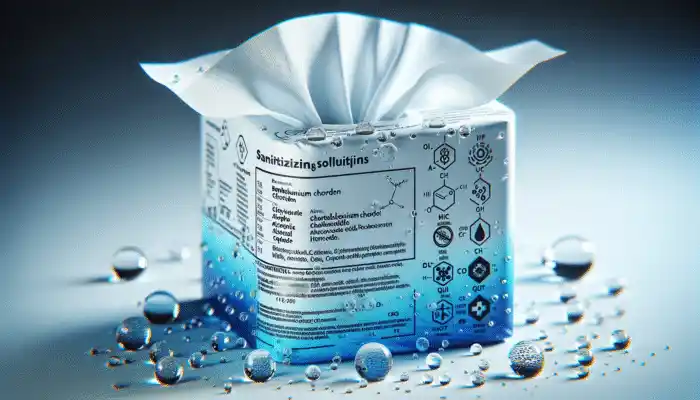
The effectiveness of medical tissue wipes arises from their capacity to kill germs and bacteria upon contact, thanks to the active ingredients found in their sanitising solutions. These components are carefully selected for their germicidal properties, ensuring that each wipe not only cleans but also disinfects surfaces with remarkable accuracy.
Key ingredients that enhance their efficacy include:
- Benzalkonium Chloride: A widely recognised active ingredient known for its broad-spectrum antimicrobial activity.
- Chlorhexidine: An antiseptic effective against a diverse range of bacteria and viruses.
- Alcohol: Renowned for its rapid action against pathogens, particularly in healthcare environments.
- Hydrogen Peroxide: Often utilised for its disinfecting properties, especially effective against viruses.
- Quat Compounds: Quaternary ammonium compounds that provide long-lasting residual antimicrobial activity.
These ingredients work in harmony to ensure that medical tissue wipes effectively eliminate harmful pathogens, marking them as a vital component of any hygiene protocol within healthcare settings.
Evaluating the Strength and Durability of Medical Tissue Wipes
Designed for intensive use, medical tissue wipes boast exceptional strength and durability. This resilience guarantees that they can endure the rigours of cleaning without tearing or falling apart. The non-woven fabric employed in their production is specifically crafted to be absorbent and strong, enabling effective cleaning even on rough or uneven surfaces.
Healthcare professionals rely on the robustness of these wipes to tackle various cleaning tasks, from sanitising medical equipment to wiping down surfaces in patient areas. The capacity of medical tissue wipes to maintain their integrity during extensive use is crucial in high-demand healthcare settings, where thorough cleaning is not just advantageous but essential for ensuring patient safety and delivering quality care.
How Do Medical Tissue Wipes Enhance Safety in Healthcare Environments?
Safety is a critical consideration for medical tissue wipes, particularly as they are frequently utilised on skin and surfaces within medical settings. These wipes are formulated with ingredients that are not only effective against pathogens but also designed to minimise the risk of irritation or allergic reactions. Comprehensive testing is conducted to ensure that the wipes adhere to established safety standards before they are released to the public.
Manufacturers follow strict guidelines governing the production of medical tissue wipes, ensuring that all ingredients are safe for skin application and that the wipes do not provoke adverse reactions. This focus on safety is vital, as both healthcare professionals and patients must have confidence in the products used to maintain hygiene and cleanliness.
Practical Uses of Medical Tissue Wipes Across Various Settings
How Are Medical Tissue Wipes Applied in Hospitals and Clinics?
Medical tissue wipes are essential in hospitals and clinics, where they are extensively utilised to disinfect medical equipment, surfaces, and patient areas, thus preventing the transmission of infections. Their broad application makes them integral tools for upholding hygiene standards in these facilities.
Common locations where medical tissue wipes are frequently employed include:
- Operating rooms, where maintaining stringent hygiene is crucial.
- Patient waiting areas, ensuring a clean and safe environment for all.
- Examination tables and tools to avert cross-contamination.
- Bathrooms and communal spaces to uphold sanitation for visitors and staff alike.
The immediate sanitising capability of these wipes positions them as the preferred choice for healthcare professionals committed to safeguarding patient health.
What Advantages Do Medical Tissue Wipes Offer in Home Care Settings?
In home care environments, medical tissue wipes deliver numerous benefits, particularly for individuals with compromised immune systems or those recovering from illness. Their convenience allows family members and caregivers to maintain hygiene and cleanliness with minimal effort, thereby reducing the risk of infection.
These wipes can be effectively used to clean surfaces frequently touched by vulnerable patients, such as beds, chairs, and bathrooms. They also provide a gentle yet effective means of maintaining personal hygiene, thus supporting overall health. The simplicity of use allows caregivers to focus more on patient care rather than extensive cleaning protocols, making medical tissue wipes a vital element in home health management.
Why Are Medical Tissue Wipes Crucial for Emergency Services?
In emergency services, the use of medical tissue wipes is essential for maintaining hygiene in high-pressure situations. First responders often find themselves in challenging environments where immediate action is necessary, and these wipes offer a quick and effective solution for cleaning wounds, surfaces, and equipment.
The rapid availability of medical tissue wipes allows first responders to uphold hygiene even in the most demanding conditions. Whether a paramedic is swiftly sanitising a stretcher or a firefighter is cleaning equipment after an incident, the versatility and efficiency of these wipes prove invaluable. The ability to ensure cleanliness on the go is a vital aspect of emergency care, directly contributing to patient safety and well-being.
How Are Medical Tissue Wipes Utilised in Veterinary Practices?
In veterinary practices, medical tissue wipes play a significant role in maintaining cleanliness and preventing the spread of infections among animals. These wipes are employed to clean treatment areas, equipment, and even the animals themselves, ensuring that the practice remains hygienic.
Veterinarians encounter unique challenges, and the utilisation of wipes effective against both bacteria and viruses is essential. Regular cleaning of surfaces and equipment with medical tissue wipes aids in preventing cross-contamination among animals, thus promoting overall health and safety within the practice. The ease of use and immediate effectiveness of these wipes establish them as a staple in veterinary clinics.
What Role Do Medical Tissue Wipes Play in Long-Term Care Facilities?
In long-term care environments, preserving a hygienic atmosphere is vital for the health and safety of residents with ongoing medical needs. Medical tissue wipes serve as indispensable tools in these facilities, extensively used for cleaning and disinfecting various surfaces and equipment.
These wipes facilitate regular sanitation of resident rooms, common areas, and medical equipment, thereby assisting in controlling the spread of infections. Their user-friendly design enables staff to prioritise patient care instead of spending excessive time on cleaning protocols. Consistently incorporating medical tissue wipes into daily routines helps facilities maintain high hygiene standards, ultimately enhancing health outcomes for residents.
Insights from Healthcare Professionals on the Importance of Medical Tissue Wipes

What Do Healthcare Experts Emphasise Regarding the Necessity of Medical Tissue Wipes?
Healthcare and hygiene professionals highlight the essential role of medical tissue wipes as a core component of infection control strategies. Research consistently shows that the use of these wipes can substantially decrease rates of hospital-acquired infections, a persistent concern for healthcare settings.
For example, in clinical environments, implementing a strict cleaning protocol that incorporates medical tissue wipes has resulted in a noticeable reduction in pathogen transmission. These wipes are lauded not only for their effectiveness but also for their convenience in busy healthcare settings, allowing for rapid responses to potential contamination. Insights from healthcare professionals underscore the significance of these products in protecting patient health.
How Can Medical Tissue Wipes Improve Patient Care Practices?
Medical tissue wipes significantly enhance patient care by offering a quick and effective method for maintaining hygiene. Integrating these wipes into patient care routines helps mitigate the risk of cross-contamination and infections, ultimately leading to improved health outcomes.
To effectively implement medical tissue wipes into care routines, healthcare providers should consider the following actionable strategies:
- Incorporate wipes into cleaning protocols for all surfaces that patients frequently contact.
- Utilise wipes to sanitise equipment between patient interactions.
- Educate staff on the proper usage and disposal of wipes to ensure maximum effectiveness.
- Encourage patients and visitors to use wipes in shared spaces.
By integrating the use of medical tissue wipes into daily practices, healthcare facilities can cultivate a hygiene-focused culture that benefits both patients and staff alike.
Best Practices for the Effective Use of Medical Tissue Wipes
To maximise the advantages of medical tissue wipes, adherence to best practices is crucial. These guidelines ensure that the wipes are employed correctly and that their effectiveness is preserved. Firstly, it is vital to apply wipes only on clean surfaces, necessitating the removal of any visible dirt or debris beforehand. This preparation enables the sanitising agents to perform at their best.
Additionally, proper disposal is critical; used wipes should be disposed of in designated waste bins to prevent contamination and ensure safety. Training staff on correct techniques for using and discarding wipes is essential for sustaining hygiene standards. Regular training sessions can reinforce these best practices, ensuring they are integrated into facility protocols.
What Recent Developments Have Emerged in Medical Tissue Wipes Technology?
Recent advancements in medical tissue wipes have led to exciting innovations that enhance their effectiveness and usability. A notable trend is the incorporation of antimicrobial properties directly into the fabric, which further inhibits bacterial growth on the wipes and enhances their safety for use in healthcare settings.
Moreover, the rising demand for eco-friendly materials is beginning to reshape the market, as manufacturers strive to meet consumer expectations for sustainable products. Options such as biodegradable wipes are becoming increasingly available, aligning the necessity for hygiene with environmental responsibility. These developments not only enhance the functionality of medical tissue wipes but also address the growing focus on sustainability in healthcare.
Guidelines for Selecting the Most Suitable Medical Tissue Wipes
What Aspects Should Be Taken into Account When Choosing Medical Tissue Wipes?
When selecting medical tissue wipes, several critical factors should be assessed to ensure that the product meets the specific requirements of the healthcare environment. Evaluating these factors can significantly influence the effectiveness of cleaning protocols and overall hygiene standards.
Key considerations include:
- Type of Sanitising Solution: Select wipes with ingredients that effectively target specific pathogens of concern.
- Strength of the Wipe: Choose durable wipes designed to endure rigorous cleaning tasks without tearing.
- Intended Use: Establish whether the wipes will be used on surfaces, equipment, or skin to select the appropriate type.
- Certifications: Look for products that comply with regulatory standards and have undergone thorough testing for safety and efficacy.
Taking time to evaluate these factors ensures that the selected medical tissue wipes will effectively provide the necessary cleanliness and hygiene required in a healthcare setting.
Comparative Assessment of Different Brands of Medical Tissue Wipes
When evaluating medical tissue wipes, various brands may differ in terms of effectiveness, ingredient composition, and pricing. Conducting a thorough comparison of brands can assist in identifying the most suitable product for particular healthcare needs.
Factors to consider in this evaluation include active ingredients, clinical evidence of efficacy, and feedback from fellow healthcare professionals. While price is an important consideration, it should be weighed against the product's effectiveness and safety. By diligently reviewing these attributes, healthcare providers can make informed decisions that align with their hygiene protocols and budgetary constraints.
Where Can Reliable Medical Tissue Wipes Be Acquired?
Medical tissue wipes are readily available for purchase from a variety of suppliers, catering to both large healthcare providers and individual consumers. Medical supply stores typically carry a diverse selection, allowing customers to choose from different brands and formulations.
Online retailers also offer a convenient method for obtaining these essential hygiene products. Many manufacturers provide direct sales through their websites, facilitating access to comprehensive product information and potential bulk purchasing opportunities. By exploring these various purchasing channels, consumers can ensure they have access to the best possible options for their needs.
Addressing Environmental Concerns Linked to Medical Tissue Wipes
Are Medical Tissue Wipes Environmentally Sustainable?
While medical tissue wipes are vital for maintaining hygiene, their environmental impact, particularly regarding disposal, is an increasingly pressing concern. Many disposable wipes are non-biodegradable, contributing to landfill waste and environmental pollution.
The conversation surrounding sustainability in healthcare has prompted a heightened focus on these products. As consumers become more environmentally conscious, the demand for wipes that can be disposed of safely without harming the environment is growing. This shift is encouraging manufacturers to explore more sustainable options, highlighting the urgent need for innovation in this domain.
How Can the Environmental Footprint of Medical Tissue Wipes Be Reduced?
To mitigate the environmental impact of medical tissue wipes, consumers and healthcare providers can adopt several eco-friendly practices. Opting for wipes made from biodegradable materials is one effective approach to reducing landfill contributions. Additionally, ensuring that disposal methods comply with local hazardous waste regulations can further lessen the environmental footprint.
Other sustainable practices include:
- Using reusable cloths: Whenever possible, choose washable cloths instead of disposables.
- Educating staff: Provide training on the proper disposal of used wipes to minimise environmental impact.
- Investing in eco-friendly alternatives: Seek brands that prioritise sustainability in their product design.
- Reducing usage: Promote practices that minimise the reliance on wipes.
By implementing these practices, healthcare facilities can effectively navigate the delicate balance between maintaining hygiene and being environmentally responsible.
What Alternatives Exist to Traditional Medical Tissue Wipes?
Alternatives to conventional medical tissue wipes encompass cloths and sanitising solutions, providing environmentally friendly options that may necessitate more effort to maintain hygiene standards. Reusable cloths can be washed and sanitised, significantly decreasing waste associated with disposable products.
However, it is crucial to ensure that reusable items are adequately cleaned and maintained to prevent the spread of pathogens. Furthermore, using sanitising sprays alongside these cloths can facilitate effective cleaning without the environmental drawbacks of disposables. Healthcare providers must evaluate the benefits and challenges of these alternatives to identify the best solutions for their needs while adhering to hygiene protocols.
Research-Backed Evidence Supporting the Effectiveness of Medical Tissue Wipes
What Does Research Reveal About the Efficacy of Medical Tissue Wipes?
Research confirms the effectiveness of medical tissue wipes in reducing pathogen transmission within healthcare settings. Various studies have demonstrated that these wipes significantly lower infection rates when incorporated into cleaning protocols. The active ingredients in the wipes have proven effective against a broad range of bacteria and viruses, making them an invaluable asset in infection control.
Expert evaluations of these studies consistently highlight the importance of consistency in cleaning practices. Regular application of medical tissue wipes not only enhances surface cleanliness but also fosters a culture of hygiene among both staff and patients. This proactive approach to infection prevention is essential for maintaining public health within medical facilities.
How Do Medical Tissue Wipes Compare to Other Cleaning Methods?
In comparative studies, medical tissue wipes have been found to outperform traditional cleaning methods in certain contexts, particularly in terms of convenience and speed. The ability to sanitise surfaces without requiring additional cleaning solutions makes wipes a preferred choice for busy healthcare professionals.
Wipes provide a ready-to-use solution that bypasses intricate cleaning protocols, allowing for more frequent sanitisation. Their ease of use in high-pressure situations further establishes them as superior cleaning tools within healthcare environments, leading to improved hygiene and patient safety.
What Are the Long-Term Advantages of Using Medical Tissue Wipes?
The long-term benefits of employing medical tissue wipes extend beyond immediate cleanliness. Consistent use can considerably diminish infection rates, which is vital for achieving positive patient outcomes. Regular utilisation of these wipes helps establish robust infection control protocols crucial in healthcare environments.
Additionally, the overall efficiency of cleaning processes can enhance workflow within medical facilities. By dedicating less time to cleaning and more to patient care, healthcare providers can improve service delivery. Integrating medical tissue wipes into routine practices not only promotes hygiene but also optimises healthcare operations.
Understanding Safety and Regulatory Compliance in Medical Tissue Wipes
What Safety Standards Must Medical Tissue Wipes Meet?
Medical tissue wipes must adhere to stringent safety standards to guarantee their effectiveness and safety in healthcare settings. These standards encompass comprehensive testing for skin irritation and efficacy against various pathogens. Compliance with regulatory requirements is crucial for manufacturers, as it ensures that their products are safe for both patients and healthcare professionals.
Moreover, the testing process involves assessing wipes for potential allergens and ensuring compliance with relevant guidelines for medical devices. Such rigorous testing is essential for maintaining public trust and ensuring that the products can be confidently utilised in medical environments.
How Do Medical Tissue Wipes Comply with UK Regulations?
In the UK, medical tissue wipes must adhere to specific regulations governing medical devices and hygiene products. This compliance guarantees that they are manufactured to meet safety and efficacy standards established by regulatory bodies such as the Medicines and Healthcare products Regulatory Agency (MHRA).
These regulations dictate the labelling, packaging, and marketing of wipes, ensuring that healthcare providers receive comprehensive information about their use and limitations. By adhering to these guidelines, manufacturers contribute to the overarching goal of maintaining high hygiene standards in UK healthcare settings.
What Risks Are Associated with Improper Use of Medical Tissue Wipes?
The improper use of medical tissue wipes can lead to various risks, including ineffective cleaning and potential skin irritation or allergic reactions. If wipes are applied to soiled surfaces without prior cleaning, the sanitising agents may not perform effectively, allowing harmful pathogens to persist.
Furthermore, failing to dispose of used wipes correctly can result in cross-contamination. Educating staff on proper usage and disposal protocols is essential to mitigate these risks. Regular training and adherence to best practices ensure that the benefits of using medical tissue wipes are maximised while minimising potential harm.
Future Innovations and Emerging Trends in Medical Tissue Wipes
What Innovations Are Expected for Medical Tissue Wipes?
The future of medical tissue wipes is poised for exciting advancements that will enhance their functionality and sustainability. Anticipated innovations may include the development of more sustainable materials, such as those derived from renewable resources, that maintain the efficacy of traditional wipes while being environmentally responsible.
Another expected innovation is the enhancement of sanitising solutions to provide broader-spectrum protection against pathogens, including emerging viruses and antibiotic-resistant bacteria. Such developments will be critical in addressing evolving healthcare challenges and ensuring continued effectiveness in infection control.
How Will Technology Influence the Future of Medical Tissue Wipes?
As technology advances, its impact on medical tissue wipes is likely to expand. Innovations such as smart packaging, which could indicate the effectiveness of wipes or provide usage instructions, may soon become commonplace. Automated dispensing systems could also improve hygiene practices by reducing the risk of cross-contamination during use.
Integration with digital health records for tracking usage and effectiveness could further streamline cleaning protocols, allowing for precise monitoring of hygiene practices in healthcare settings. These technological advancements are anticipated to play a significant role in the ongoing evolution of medical tissue wipes as essential tools in infection control.
What Is the Market Outlook for Medical Tissue Wipes?
The market for medical tissue wipes is expected to expand significantly, driven by increasing awareness of hygiene and infection control. Factors contributing to this growth include rising healthcare standards, the impact of global health concerns, and consumer demand for effective cleaning solutions in both professional and domestic environments.
As healthcare facilities continue to prioritise infection prevention, the demand for medical tissue wipes is likely to rise. Furthermore, innovations focusing on sustainability and efficacy will further enhance market traction, rendering these products essential not only for healthcare providers but also for consumers seeking effective hygiene solutions.
Frequently Asked Questions About Medical Tissue Wipes
What are medical tissue wipes used for?
Medical tissue wipes are primarily employed in healthcare settings to clean surfaces, medical equipment, and skin, ensuring hygiene and preventing the transmission of infections.
Are medical tissue wipes safe for skin?
Yes, medical tissue wipes are specifically formulated to be safe for skin, undergoing rigorous testing to minimise the risk of irritation or allergic reactions.
How do I choose the right medical tissue wipes?
When selecting wipes, consider factors such as the type of sanitising solution, the wipe’s strength, intended use, and compliance with safety standards.
Can medical tissue wipes be used in home care?
Absolutely, medical tissue wipes offer significant benefits in home care environments, particularly for maintaining hygiene for patients with compromised immune systems.
What are the environmental impacts of medical tissue wipes?
The environmental impact of medical tissue wipes arises from their disposal, as many are non-biodegradable and contribute to landfill waste.
How can I dispose of medical tissue wipes properly?
Used medical tissue wipes should be discarded in designated waste bins to prevent contamination and ensure safe disposal.
Are there alternatives to medical tissue wipes?
Yes, alternatives include reusable cloths and sanitising sprays, which can be more environmentally friendly but require proper maintenance to ensure hygiene.
What safety standards do medical tissue wipes meet?
Medical tissue wipes must comply with specific safety standards that ensure their effectiveness and safety for use, including testing for skin irritation and pathogen efficacy.
How do medical tissue wipes help in reducing infections?
Regular use of medical tissue wipes in cleaning protocols has been shown to significantly lower the spread of pathogens, thus reducing infection rates.
What innovations are expected in the future for medical tissue wipes?
Future innovations may feature sustainable materials, enhanced sanitising solutions, and smart packaging that tracks effectiveness, contributing to improved hygiene practices.
Connect with us on Facebook!
The Article: Medical Tissue Wipes: Essential Hygiene Solutions first published on https://www.gloveclub.co.uk
The Article Medical Tissue Wipes for Essential Hygiene Needs Was Found On https://limitsofstrategy.com
The Article Medical Tissue Wipes: Essential for Hygiene Needs found first on https://electroquench.com