Discover the Extensive Range of Food Intolerance Testing Services Offered in Romford
What Are the Steps Involved in a Food Intolerance Test?
Private Food Intolerance Test in Romford: A food intolerance test is a crucial diagnostic instrument that reveals common sensitivities to an array of foods, including dairy and gluten. In Romford, many clinics focus on these tests, supporting individuals in pinpointing potential food-related health issues that could negatively impact their overall well-being. A significant number of local residents have reported notable enhancements in their digestion after undergoing these tests, as the insights gained often lead to customised dietary changes that can be seamlessly integrated into their lifestyles. By accurately identifying specific intolerances, individuals can make informed choices regarding their eating habits, significantly enhancing their health and vitality.


Food intolerance can manifest through a range of symptoms, often leading to discomfort, fatigue, and various health issues. The early detection of these problems empowers individuals to take charge of their diets and lifestyles, implementing changes that can produce immediate positive results. In Romford, a strong emphasis on early detection reflects a growing awareness of the profound effects food can have on health, positioning these tests as essential elements of a proactive wellness strategy.
What Varieties of Food Intolerance Tests Are Available in Romford?
Residents in Romford can take advantage of a wide array of food intolerance tests tailored to their specific needs and preferences. The most commonly used methods include blood tests and elimination diets. Blood tests generally measure specific antibodies in the bloodstream that react to particular foods, providing a comprehensive overview of potential intolerances. On the other hand, elimination diets involve temporarily removing certain foods from one’s diet for a defined period, followed by a careful reintroduction while monitoring for symptoms. This strategy is particularly beneficial for individuals who may not tolerate blood tests well or who prefer a more hands-on approach to identifying their intolerances.
Local health centres in Romford ensure these testing options are readily available and customised to meet the distinct dietary needs of individuals. The goal is to assist residents in effectively identifying food triggers, enabling them to embrace UK-specific dietary recommendations that promote lasting health and alleviate symptoms. As awareness of food intolerances increases, the variety of available tests continues to expand, offering residents more opportunities to actively manage their health. What Are the Primary Benefits of Food Intolerance Testing for Romford Residents?
The benefits of undergoing a food intolerance test in Romford are substantial. Many residents report heightened energy levels and a significant decrease in bloating after recognising and eliminating intolerant foods from their diets. These tests not only adhere to NHS guidelines but also foster a healthier lifestyle that complements the diverse food landscape in the UK. With personalised dietary recommendations, individuals can make enlightened food choices that support a balanced nutritional approach.
Numerous residents have recounted their success stories, illustrating how targeted dietary changes have remarkably improved their quality of life. The tests serve as invaluable resources that provide individuals with a deeper understanding of their bodies, nurturing a more meaningful connection with the food they consume. This newfound awareness fosters healthier eating habits, ultimately contributing to a community that prioritises health and informed decision-making.
What Essential Preparations Are Necessary Before Undergoing a Food Intolerance Test in Romford?
What Actions Should You Take for Effective Preparation?
To prepare adequately for a food intolerance test in Romford, several fundamental steps should be undertaken to ensure accurate and reliable results. Initially, it is advisable to schedule a consultation with a healthcare professional in Romford to discuss any symptoms you may be experiencing. This preliminary discussion helps determine whether a food intolerance test is necessary and guarantees that you are properly prepared for the testing process. Furthermore, keeping a food diary in the weeks leading up to the test can prove immensely beneficial. This diary allows you to record your food intake and any associated symptoms, offering valuable insights for both you and your healthcare provider.
Meticulously documenting your eating habits, symptoms, and even emotional responses to particular foods can illuminate potential triggers. This information may be requested during your initial consultation and can serve as a practical resource for discussing your health concerns in depth. By actively engaging in this preparatory phase, you lay the groundwork for a more effective testing experience, ultimately leading to a clearer understanding of your dietary needs and intolerances.
Is Fasting Required Prior to a Food Intolerance Test?
Fasting may be necessary for certain food intolerance tests in Romford; however, this largely depends on the specific test being conducted. For some blood tests, clinics may recommend avoiding certain foods for a specified period before testing. This precaution is intended to ensure clearer results by highlighting any potential reactions your body may experience to the foods you typically consume. By refraining from specific items, you allow your healthcare provider to identify intolerances with greater precision.
Conversely, elimination diets typically do not require fasting; instead, they focus on systematically removing and reintroducing foods over time. It is essential to adhere to the clinic's specific instructions to ensure accurate outcomes. Being cognizant of these requirements is crucial for food intolerance testing, providing clarity and confidence regarding what to anticipate, ultimately aiding in the management of common intolerances within the UK.
What Expert Preparation Tips Should You Keep in Mind?
- Maintain a thorough symptom log to document any reactions to specific foods.
- Stay adequately hydrated leading up to the test to ensure accurate results.
- Avoid introducing new foods prior to the test to maintain consistency.
- Discuss any medications with your healthcare provider, as they may influence results.
- Follow any specific dietary guidelines provided by your clinic.
- Be transparent about your eating habits during the consultation to receive tailored advice.
Implementing these preparation tips is paramount for guaranteeing that your testing experience is smooth and productive. By taking these proactive measures, Romford residents can significantly enhance the likelihood of obtaining accurate test results, leading to a better understanding of their food intolerances and how to manage them effectively.
What Valuable Insights Can You Gain From Food Intolerance Tests in Romford?
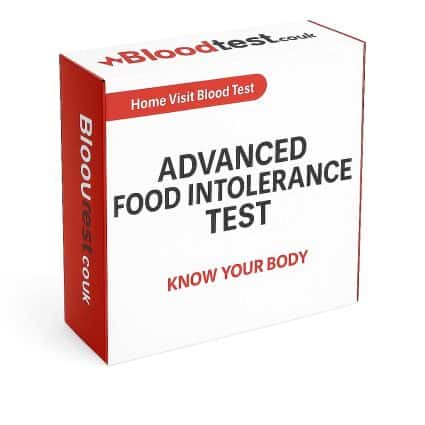
How Can You Begin Your Food Intolerance Testing Journey?
Healthcare experts in the UK recommend that individuals initiate the food intolerance testing process by arranging an initial consultation with a healthcare provider in Romford. During this meeting, you will have the opportunity to comprehensively discuss your symptoms and explore the various testing options available. Specialists advise being prepared to share your health history and dietary habits, as this information will enable the provider to recommend the most appropriate tests tailored to your specific needs.
Furthermore, reputable clinics in Romford often provide pre-test assessments to help identify foods that may be causing discomfort. By collaborating closely with healthcare professionals, you can develop a customised approach to address your individual health concerns. This proactive strategy not only enhances understanding and tolerance but also fosters a culture of effective management.
What Do Local Success Stories Reveal About Food Intolerance Testing?
Local case studies from Romford offer compelling evidence of the tangible benefits associated with food intolerance testing. For instance, many patients have reported considerable symptom relief after identifying food triggers through these tests. One notable case involved a resident who battled chronic bloating and fatigue for years. After undergoing a food intolerance test, they discovered a wheat intolerance, enabling them to make informed dietary adjustments that led to significant improvements in their overall health.
These real-world success stories highlight the importance of targeted testing and its positive outcomes. By analysing local clinical data, healthcare providers can offer valuable insights into common intolerances affecting Romford residents, assisting new patients in understanding their potential health challenges. Success stories like these act as powerful motivators for individuals considering testing, reinforcing the notion that personalised dietary modifications can lead to substantial health transformations.
What Benefits Does Research Indicate About Food Intolerance Tests?
Research conducted in the UK corroborates the effectiveness of food intolerance tests available in Romford, demonstrating a significant enhancement in patients' quality of life. Studies reveal that individuals who undergo these tests often report fewer chronic health complaints associated with food intolerances, including digestive issues, fatigue, and skin conditions. By identifying specific intolerances, patients can implement actionable steps to improve their diets and overall health.
Moreover, examples from local clinics illustrate how patients have benefitted from the tailored guidance provided after testing. For those grappling with chronic symptoms, insights gained from food intolerance testing have led to improved dietary choices, increased energy, and enhanced well-being. This research-backed approach highlights the critical role these tests play in the journey towards optimal health, further solidifying Romford's reputation as a centre for health and wellness.
What Symptoms Might Suggest a Food Intolerance?

How Can You Identify Early Symptoms of Food Intolerance?
Recognising early signs of food intolerance is crucial for prompt intervention and management. Common symptoms include bloating, headaches, and gastrointestinal distress. If you notice a recurring pattern where these symptoms consistently occur after consuming certain foods, it may indicate a food intolerance. In Romford, residents are encouraged to carefully observe their bodies' reactions to various foods, as early identification can facilitate more effective testing and subsequent management.
Another symptom to be aware of is fatigue; many individuals with food intolerances report feeling unusually tired after consuming trigger foods. Keeping a symptom diary can assist in recognising early warning signs, enabling you to connect food intake with physical reactions. Taking proactive measures is essential, as managing these symptoms early on can lead to a healthier lifestyle and improved overall well-being.
Are Digestive Issues the Sole Indicators of Food Intolerance?
While digestive issues are frequently associated with food intolerances, they are not the only symptoms individuals may experience. In Romford, individuals might exhibit a variety of signs beyond gastrointestinal discomfort, such as skin conditions like rashes or eczema, headaches, and mood fluctuations. This range of symptoms can sometimes lead to confusion regarding the underlying causes. Therefore, residents must consult healthcare providers to thoroughly assess potential food-related reactions.
These non-digestive symptoms often signify the body reacting negatively to specific foods, necessitating further investigation. By acknowledging that food intolerances can manifest in many ways, individuals become better equipped to seek appropriate assistance and undergo necessary testing. This comprehensive understanding promotes a proactive approach to health management, ensuring all potential symptoms are taken into account.
When Is It Time to Seek Professional Help?
If symptoms persist or worsen, seeking professional assistance is essential. In Romford, local specialists are available to provide thorough evaluations and accurate diagnoses, ensuring you receive the necessary care. Ignoring ongoing symptoms can lead to more serious health complications; thus, it is vital to consult healthcare providers without delay. Early intervention can greatly alleviate discomfort and enhance quality of life.
During your consultation, be prepared to discuss your symptoms in detail, including their frequency and severity. This information will help the healthcare provider develop a personalised testing and management plan that suits your unique needs. By taking this step, residents can access the resources and support they require, facilitating effective treatment and improved health outcomes.
How Do Symptoms Differ Among Individuals?
Symptoms of food intolerance can vary significantly among individuals in Romford, underscoring the necessity for personalised testing and dietary strategies. Some individuals may experience severe reactions, such as rashes or fatigue, while others might encounter milder issues like occasional bloating or discomfort. Various factors, including genetic predispositions and overall health status, can influence this variability.
Local UK experts emphasise the importance of customised testing methods to effectively manage these individual differences. By recognising that each person's experience with food intolerance is unique, healthcare providers can develop tailored dietary plans that address specific symptoms and triggers. This personalised approach enhances symptom management and fosters a deeper understanding of one’s body and nutritional needs.
What Research Supports the Benefits of Food Intolerance Tests in Romford?
What Evidence Supports These Testing Methodologies?
Research in the UK highlights the significant benefits of food intolerance tests conducted in Romford, demonstrating their capacity to improve the quality of life for many individuals. Studies indicate that participants who undergo these tests experience a considerable decline in health complaints, resulting in enhanced overall wellness. By identifying specific food intolerances, individuals can make informed dietary adjustments that align with their health requirements.
In clinical environments, evidence shows that addressing food intolerances can reduce the incidence of chronic health issues, including gastrointestinal disturbances and fatigue. These findings reinforce the understanding that food intolerance tests serve not just as diagnostic tools but also as essential components of a holistic approach to health and wellness in the UK.
How Do These Tests Improve Daily Living for Individuals?
- Increased energy levels stemming from improved dietary choices.
- A reduction in bloating and digestive discomfort.
- Enhanced mental clarity and focus.
- Decreased allergy-like symptoms, such as rashes or headaches.
- Improvement in overall quality of life through personalised nutrition.
- Greater comprehension of individual health needs.
- Empowerment to make informed food choices.
Feedback from patients in Romford indicates that many have experienced these lifestyle enhancements following their food intolerance tests. By effectively addressing dietary issues, individuals can enjoy a more vibrant and fulfilling daily life characterised by increased energy levels and reduced discomfort. This improvement in quality of life serves as a significant motivator for many residents as they seek to understand and meet their dietary needs.
What Long-Term Benefits Can Individuals Anticipate?
Expert analysis reveals that the long-term advantages of regular food intolerance testing in Romford extend well beyond immediate symptom relief. Many individuals report sustained benefits, including improved nutrition and adherence to balanced eating habits. As patients gain a deeper understanding of their food intolerances, they are more likely to make lasting dietary changes that support their overall health and vitality.
Furthermore, ongoing testing allows for continuous monitoring of food intolerances, enabling individuals to adjust their diets as necessary. This proactive approach can lead to fewer health setbacks over time and greater overall well-being. As Romford residents pursue their health goals, the long-term benefits of food intolerance testing become increasingly evident, establishing a foundation for enduring dietary changes that promote a healthier lifestyle.
Where Can You Find Reliable Testing Options in Romford?
What Clinics Offer Food Intolerance Testing Services?
In Romford, several trustworthy clinics provide convenient food intolerance testing, simplifying the process for residents exploring their options. These clinics employ experienced healthcare professionals who understand the complexities of food intolerances and can provide personalised testing solutions. Many facilities prioritise patient comfort and transparency throughout the testing process, ensuring individuals feel supported and informed at every stage.
Local health centres typically offer a variety of testing options, from blood tests to elimination diets, accommodating diverse needs and preferences. By selecting a reputable clinic, residents can ensure they receive high-quality care that aligns with UK health standards. Access to dependable testing options is vital for individuals looking to enhance their health through a better understanding of food intolerances.
What Is the Average Cost of Food Intolerance Tests?
The cost of food intolerance tests in Romford varies based on the provider and the specific tests ordered. Generally, prices range from £50 to £300, depending on the complexity of the tests and the services included. Fortunately, many tests are covered by UK health plans, making it easier for individuals to afford necessary diagnostics.
It is advisable to inquire with local clinics about their pricing structures and whether they offer any payment plans or package deals. This transparency helps residents make informed decisions regarding their testing options, taking into account their budget and health needs. By understanding the financial aspects of testing, individuals can feel more confident in their choice to pursue food intolerance evaluations.
Is a Doctor's Referral Necessary for Testing?
In certain circumstances, a GP referral may be required to access food intolerance testing in Romford. Such a referral can streamline the process and ensure tests are tailored to individual needs within the UK healthcare framework. Consulting a GP allows for an initial assessment of symptoms and helps determine the most suitable course of action.
While a referral is not always mandatory, it is strongly advised for individuals experiencing persistent or severe symptoms. By collaborating closely with a healthcare professional, residents can ensure they receive optimal care and testing options to effectively address their concerns.
What Is the Procedure for Undergoing a Food Intolerance Test in Romford?
What Occurs During the Initial Consultation?
During the initial consultation for a food intolerance test in Romford, healthcare professionals typically begin by discussing your symptoms in thorough detail. This initial meeting is vital for establishing a comprehensive understanding of your health concerns and dietary habits. Specialists will ask specific questions about your eating patterns, experiences with food, and any symptoms you have encountered.
This dialogue lays the groundwork for accurate testing and personalised advice tailored to your unique needs. The healthcare provider may also conduct a physical examination or suggest preliminary tests to gather additional insights. By fostering an open and informative atmosphere, the initial consultation ensures that you feel supported and empowered as you embark on your journey towards improved health.
How Do Local Experts Interpret the Test Results?
Results from food intolerance tests conducted in Romford are explained by experts in a comprehensive yet accessible manner. Following testing, healthcare professionals will review your results with you and outline any identified food intolerances and their potential implications for your diet. This clarity is crucial for helping patients make informed dietary choices moving forward.
Moreover, healthcare providers often discuss strategies for managing intolerances and adjusting dietary habits to enhance overall health. This supportive approach encourages residents to take proactive steps towards better health, equipping them with the knowledge gleaned from their testing experience. With a clear understanding, individuals can confidently make decisions that are appropriate for their health.
What Follow-Up Care Is Available After Testing?
Post-test support in Romford is an essential aspect of the food intolerance testing process. After receiving your results, healthcare providers typically offer follow-up care that includes dietary plans and ongoing support. This guidance aims to assist you in effectively managing your food intolerances and implementing necessary adjustments to your eating habits.
Follow-up sessions often involve discussions about meal planning, recipe modifications, and strategies for avoiding trigger foods. By providing practical tools and resources, healthcare professionals empower individuals to take charge of their health and implement sustainable changes. This ongoing support is critical to ensuring that insights gained from testing translate into lasting improvements in health and well-being.
What Does the Testing Process Entail?
In Romford, the testing procedure for food intolerances generally involves a series of straightforward assessments to accurately identify potential intolerances. These procedures typically begin with a comprehensive health questionnaire, followed by the chosen testing method, which may include blood samples or dietary assessments. Specialists guide patients through each step, ensuring they understand what to expect during testing.
Additionally, clinics utilise state-of-the-art equipment and adhere to UK health regulations, ensuring a safe and efficient experience tailored to individual needs. This meticulous approach not only enhances the accuracy of the results but also builds trust between patients and healthcare providers. By prioritising patient comfort and clarity, clinics in Romford strive to deliver an exceptional testing experience that facilitates effective management of food intolerances.
How to Effectively Manage Your Intolerances After Testing in Romford?
Why Is Ongoing Monitoring Essential?
Continuous monitoring after food intolerance testing is crucial for maintaining health improvements and overall well-being. Ongoing tracking enables individuals to assess how their bodies respond to dietary changes and adjust their eating habits accordingly. In Romford, residents are encouraged to remain vigilant about their diets post-testing, as ongoing monitoring can reveal additional intolerances or sensitivities that may develop over time.
By documenting symptoms and food intake, individuals gain a clearer understanding of their body’s responses, leading to more effective management of intolerances. This proactive approach empowers residents to take control of their health journey, ensuring they stay attuned to their evolving dietary needs. Regular follow-ups with healthcare providers can also facilitate ongoing support and adjustments to dietary plans, promoting sustained health gains.
How Can You Adjust Your Diet Effectively After Testing?
Effectively adjusting your diet post-testing requires avoiding identified triggers and incorporating a balanced variety of foods that fulfil your health requirements. In Romford, local experts recommend creating meal plans that prioritise nutritional diversity while steering clear of allergens. This strategy not only aids in managing symptoms but also ensures that individuals receive adequate nutrition.
Additionally, exploring alternatives to trigger foods can enhance the enjoyment of dietary adjustments. For instance, if gluten is a trigger, individuals can experiment with gluten-free grains like quinoa or rice. Local health centres frequently provide resources and workshops to assist residents in adapting their meals while emphasising the significance of a balanced diet. This guidance fosters a positive relationship with food and encourages individuals to embrace their dietary changes with enthusiasm.
What Trusted Strategies Can Ensure Long-Term Success?
Residents in Romford can adopt effective strategies from local clinics to sustain health improvements after testing. One successful approach is to utilise community resources, such as support groups or workshops, where individuals can share experiences and strategies for managing intolerances. These connections foster a sense of community and provide invaluable support as residents navigate their dietary journeys.
Moreover, staying informed about new research and developments related to food intolerances empowers individuals to make well-informed decisions. By remaining engaged in their health journey and utilising available resources, residents can experience lasting improvements in their overall well-being and confidently manage their food intolerances.
Frequently Asked Questions (FAQs)
What Is Involved in a Food Intolerance Test?
A food intolerance test is a diagnostic tool designed to identify foods that trigger adverse reactions in individuals, enabling informed dietary adjustments.
What Is the Typical Timeframe for Receiving Results?
Results from a food intolerance test are typically available within a few days to a couple of weeks, depending on the testing method employed.
Are Food Intolerance Tests Covered by Health Insurance?
UK health plans may cover numerous food intolerance tests; please verify with your provider for specific details.
Can I Take a Food Intolerance Test at Home?
Some clinics offer home testing kits; however, consulting with a healthcare professional is advisable for an accurate diagnosis and guidance.
Is Preparation Necessary Prior to the Test?
Yes, preparation may include maintaining a food diary and, depending on the specific test requirements, fasting.
What Symptoms Typically Suggest a Food Intolerance?
Common symptoms include bloating, headaches, fatigue, and digestive discomfort, although they can vary considerably among individuals.
How Frequently Should I Undergo Testing for Food Intolerances?
Regular testing is recommended if symptoms persist or change; consult with a healthcare professional for personalised recommendations.
Can Children Undergo Food Intolerance Testing?
Yes, children can be tested for food intolerances; however, it is essential to consult with a paediatrician beforehand.
What Steps Should I Take If I Test Positive for an Intolerance?
If you test positive, collaborate with a healthcare professional to develop a tailored dietary plan to effectively manage your intolerances.
Are There Risks Associated with Food Intolerance Tests?
Food intolerance tests are generally safe, but it is crucial to consult with a qualified healthcare provider to ensure that appropriate testing methods are employed.
Connect with us on Facebook today!

This Article Was First Found On https://bloodtest.co.uk
The Article Food Intolerance Test: Effective Solutions in Romford Was Found On https://limitsofstrategy.com
The Article Food Intolerance Test Solutions Available in Romford found first on https://electroquench.com