Comprehensive Overview of Cholesterol Blood Tests Available in Preston
What Exactly Is a Cholesterol Blood Test?
Private Cholesterol Blood Test in Preston: A cholesterol blood test serves as a crucial diagnostic tool designed to measure the levels of cholesterol present in the bloodstream. This test is invaluable as it provides essential insights regarding an individual’s potential risk of developing heart disease. In Preston, individuals can conveniently access this essential test at a variety of clinics, which include both NHS facilities and private laboratories. The outcomes of these tests can significantly inform individuals about necessary lifestyle adjustments, which may enhance both their heart health and overall wellbeing. By gaining a clear understanding of their cholesterol levels, residents are empowered to adopt healthier habits that can lead to improved health outcomes.
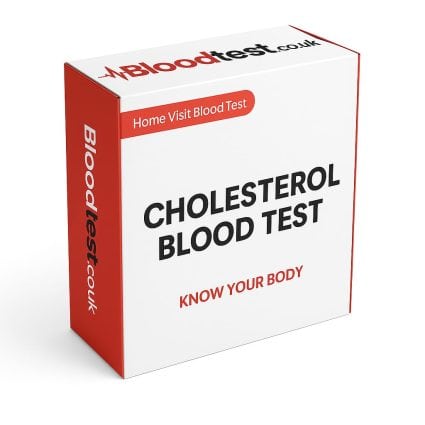

By comprehensively understanding their cholesterol levels, residents can undertake proactive measures that lead to a healthier lifestyle and engage in informed decision-making that significantly enhances their cardiovascular health.
Explore the Diverse Range of Cholesterol Tests Available
In Preston, residents benefit from a wide variety of cholesterol tests offered by both NHS and private laboratories, each carefully designed to cater to an array of health needs. The primary tests available include:
- Total cholesterol
- High-Density Lipoprotein (HDL)
- Low-Density Lipoprotein (LDL)
- Triglycerides
- Lipid profiles
These tests are essential in comprehensively understanding an individual’s cholesterol levels and overall cardiovascular health. By analysing these results, healthcare providers are able to deliver personalised advice and formulate tailored treatment plans, ensuring that each patient receives the most relevant and effective care suited to their unique health circumstances and requirements.
How Can You Access Cholesterol Testing Services in Your Area?
Residents in Preston can conveniently access cholesterol testing through multiple options, simplifying the process considerably. Appointments can be easily arranged via local General Practitioners (GPs) or health centres, many of which offer expedited access to testing services. Numerous clinics even provide same-day appointments, ensuring timely follow-up care and expert guidance. This approach is essential for effectively managing cholesterol levels within the UK healthcare system, allowing individuals to take charge of their health promptly and efficiently, thus contributing to better health outcomes.
How Can You Effectively Interpret Cholesterol Test Results?
Interpreting cholesterol test results may initially appear complex; however, it is a vital aspect of understanding personal health risks. In Preston, healthcare professionals meticulously analyse levels of LDL, HDL, and total cholesterol, comparing them against established NHS guidelines. For instance, elevated levels of LDL cholesterol can signal an increased risk of heart disease, prompting essential discussions regarding lifestyle changes or possible medical interventions. This vital knowledge empowers residents to take proactive measures to manage their health and reduce risks associated with cardiovascular diseases.
What Preparation Is Necessary for a Cholesterol Blood Test?
Preparing adequately for a cholesterol blood test is crucial to ensure the accuracy of the results. Residents in Preston are typically advised to fast for 9 to 12 hours before the test, in accordance with established guidelines from UK health services. This fasting period is essential for a precise assessment of cholesterol levels, as it removes the potential interference from recent food consumption. Staying suitably hydrated during this fasting period is also recommended, and it is crucial to inform your GP of any medications you are currently taking, as these may influence test results. By preparing effectively, patients can facilitate a smoother testing experience and achieve reliable outcomes.
What Are the Key Steps Involved in the Cholesterol Blood Test Procedure?
What Are the Essential Steps in This Testing Process?
The process of undergoing a cholesterol blood test is relatively straightforward and involves several critical steps. Initially, a healthcare professional will draw blood from a vein in the arm, which is a quick and uncomplicated procedure. Following the blood draw, the sample is dispatched to local laboratories in Preston, where it undergoes thorough analysis for cholesterol content. Typically, results are returned within a few days, enabling healthcare providers to monitor cardiovascular health effectively. This streamlined process, integrated within local healthcare services, ensures that residents remain informed about their heart health with minimal disruption to their daily routines.
Why Is Fasting Sometimes Required Before Testing?
Fasting is a crucial requirement for certain cholesterol tests to ensure accurate results. In many cases, food consumption can influence cholesterol levels, leading to potentially misleading high or low readings. Health professionals across the UK advocate for fasting prior to tests to eliminate any dietary influences. The standard fasting period typically ranges from 9 to 12 hours, during which patients are encouraged to consume water while avoiding food or caloric beverages. This protocol is standardised within the UK medical setting and is essential for obtaining dependable results.
What Advanced Equipment Is Utilised for Cholesterol Testing in Preston?
Healthcare facilities in Preston employ cutting-edge medical equipment for cholesterol testing, ensuring precise measurements that conform to UK health standards. Advanced analysers are routinely utilised to analyse blood samples, delivering comprehensive data on cholesterol levels. These sophisticated machines are meticulously calibrated to yield accurate results, enabling healthcare professionals to make informed decisions regarding patient care. The use of modern equipment underscores the commitment of Preston’s healthcare providers to maintaining high-quality health services and ensuring optimal outcomes for patients.
Expert Insights on Cholesterol Blood Tests in Preston
What Are the Key Steps for Preparing for the Test?
Effective preparation for a cholesterol blood test involves specific actions to ensure both the accuracy and reliability of the results. Healthcare experts recommend making dietary adjustments in the days leading up to the test. For instance, reducing saturated fat intake while increasing fibre consumption can positively influence cholesterol levels. Real-world examples from local clinics in Preston indicate that patients who adhere to a heart-healthy diet before testing are more likely to achieve favourable results. Additionally, maintaining a consistent exercise routine can further enhance the test’s effectiveness by improving overall cardiovascular fitness and wellbeing.
How Do Experts Interpret Cholesterol Test Results?
Health specialists in Preston play a pivotal role in interpreting cholesterol test results. They meticulously dissect the reports to elucidate the implications of varying cholesterol levels and align them with UK-specific health guidelines. For instance, if a patient presents with elevated LDL levels, an expert may recommend dietary modifications or increased physical activity to mitigate associated risks. This tailored approach not only assists in understanding the results but also empowers patients to take actionable steps towards improved health. The insights provided by these professionals are invaluable in creating customised health strategies for individuals.
What Are the Benefits of Consulting Healthcare Professionals?
Seeking guidance from healthcare professionals in Preston offers numerous advantages for individuals undergoing cholesterol testing. Experts provide comprehensive care that extends beyond mere test results. They can devise tailored strategies for managing high cholesterol based on local health data, including lifestyle modifications and potential therapeutic interventions. Furthermore, these consultations foster a supportive environment that encourages patients to engage in discussions and ask questions about their heart health. Access to professional advice empowers residents to make informed decisions about their wellbeing, ultimately leading to improved health outcomes and a greater understanding of personal health management.
What Common Myths Surround Cholesterol Tests?
In Preston, healthcare experts actively work to debunk prevalent myths about cholesterol blood tests, which can lead to misunderstandings. One common myth is that all cholesterol is harmful; in reality, cholesterol is essential for various bodily functions. Another widespread misconception is that only individuals with a family history of heart disease require testing. Experts clarify that regular testing is essential for everyone, regardless of family history, as it helps identify potential risks early. By leveraging local case studies and UK health resources, professionals aim to enhance patient understanding and compliance, cultivating a more health-conscious community.
What Innovations Are Emerging in Cholesterol Testing Technologies?
Healthcare professionals in Preston are at the forefront of innovations in cholesterol testing technologies, continually adapting to advancements in medical science. Enhanced lipid profiling techniques have been developed, enabling more detailed analysis of cholesterol subtypes, aligning with British guidelines for improved diagnostics. These innovations facilitate earlier detection of cardiovascular risks and offer more tailored treatment options for patients. By embracing cutting-edge technology, specialists in Preston are not only improving testing accuracy but also enhancing health outcomes for the local population through personalised care strategies.
What Are the Key Advantages of Cholesterol Blood Tests?
How Do Cholesterol Tests Contribute to Heart Disease Prevention?
Regular cholesterol testing in Preston serves as a proactive strategy to prevent heart disease. By identifying potential risks early, healthcare providers can initiate timely interventions that significantly reduce the likelihood of heart-related issues. For instance, individuals with elevated cholesterol levels can receive personalised guidance on lifestyle modifications, including dietary changes and exercise, which can lead to substantial improvements in their heart health. This preventative aspect of these tests aligns with public health initiatives throughout the UK, fostering awareness and encouraging regular health check-ups among the community.
What Role Do Cholesterol Tests Play in Ongoing Health Monitoring?
Cholesterol blood tests are vital for ongoing health monitoring, providing patients in Preston with valuable insights into their cardiovascular health over time. These tests can track fluctuations in cholesterol levels, allowing individuals to evaluate the effectiveness of lifestyle modifications and treatments. Regular check-ups, typically recommended by UK health guidelines, empower patients to maintain their health and adapt their wellness strategies as needed. This continuous monitoring is crucial for promoting long-term wellbeing, as it enables timely adjustments to care plans based on evolving cholesterol trends, thereby supporting proactive health management.
Are There Long-Term Benefits to Regular Cholesterol Testing?
The long-term advantages of consistent cholesterol testing are significant, contributing to improved health outcomes for residents in Preston. Regular tests can lead to a reduced risk of heart disease and stroke, as healthcare providers can deliver tailored interventions based on individual results. For example, patients who consistently monitor their cholesterol levels are more likely to adopt healthy habits that enhance their cardiovascular health. The insights gained from ongoing testing can also encourage adherence to prescribed treatments, ultimately supporting sustained wellbeing through proactive health management and informed lifestyle choices.
How Do Cholesterol Tests Support High-Risk Groups?
In Preston, cholesterol blood tests are instrumental in identifying individuals who belong to high-risk categories, particularly those with family histories of heart conditions or existing health complications. By recognising these risks through testing, healthcare providers can implement targeted interventions specifically designed to meet the unique needs of these individuals. This proactive approach aligns with UK guidelines, ensuring that high-risk patients receive the essential support and resources necessary to mitigate potential health threats. Thus, cholesterol testing emerges as a crucial tool in promoting sustained wellbeing and empowering vulnerable populations to take charge of their health.
What Impact Do Cholesterol Tests Have on Preventive Healthcare?
Cholesterol tests play a fundamental role in preventive healthcare strategies within the UK, including those in Preston. By detecting imbalances early, these tests encourage individuals to make informed lifestyle changes that can significantly reduce the risk of vascular diseases. Healthcare services in Preston advocate for routine testing, as it fosters a proactive mindset among residents regarding their health. This emphasis on early detection and intervention enhances overall quality of life and promotes a culture of prevention, enabling individuals to lead healthier, longer lives through informed health choices.
Research-Backed Benefits of Cholesterol Blood Testing in Preston
What Are Real-World Examples of Success?
Evidence from UK studies has demonstrated that regular cholesterol testing in Preston has led to significant improvements in patient health outcomes. For instance, local clinics have reported a notable reduction in high cholesterol levels among patients who underwent regular testing and follow-up consultations. Key actionable steps derived from these findings include encouraging residents to schedule regular tests and to participate in educational seminars focused on heart health. Such initiatives not only empower patients but also promote a community-centric approach to healthcare, where informed individuals contribute to a healthier society.
What Research Supports the Effectiveness of Cholesterol Testing?
Research conducted within the UK highlights the effectiveness of cholesterol blood tests in managing and reducing cholesterol levels. Clinical trials have illustrated that individuals who undergo regular testing often experience a decline in cholesterol levels over time, particularly when coupled with lifestyle modifications such as improved diet and increased physical activity. Healthcare professionals in Preston can utilise these findings to emphasise the importance of regular testing and adherence to health guidelines, ensuring that patients understand the value of taking proactive steps to manage their cholesterol effectively.
How Can Findings from Research Be Applied in Daily Life?
Based on research conducted in Preston, individuals can adopt various habits to promote better cholesterol management. For instance, integrating regular physical activity, such as walking or cycling, into daily routines can significantly enhance cardiovascular health. Additionally, selecting whole foods, including fruits, vegetables, and whole grains, can positively impact cholesterol levels. Education on these practical strategies is vital, as it empowers residents to implement sustainable lifestyle changes that yield long-term health benefits and ultimately improve their quality of life.
What Are the Long-Term Health Outcomes from Regular Cholesterol Testing in Preston?
Studies in Preston have indicated that consistently monitoring cholesterol levels through regular blood tests reduces the risk of heart disease over time. Healthcare professionals across the UK advocate incorporating these tests into routine check-ups, thereby enhancing long-term cardiovascular health management. The cumulative effects of ongoing testing can lead to early interventions, personalised health plans, and improved lifestyle choices, all of which significantly reduce the risk of serious heart-related conditions. Consequently, residents are encouraged to prioritise cholesterol testing as a key component of their overall health strategy.
How Do Cholesterol Tests Compare with Other Health Screenings?
Studies based in Preston have compared cholesterol blood tests with other health screenings, demonstrating their effectiveness for early detection of cardiovascular risk. Unlike some alternative screening tests, cholesterol tests provide specific insights into lipid levels, enabling individuals and clinicians to make informed decisions about health management. This clarity is essential for adopting personalised preventive care strategies tailored to individual needs. As a result, cholesterol blood tests are not only vital for monitoring health but also a cornerstone of comprehensive health assessments in Preston.
Why Choose Cholesterol Testing Services in Preston?
What Makes Local Cholesterol Testing Services Reliable?
The reliability of cholesterol testing services in Preston is rooted in their integration within the UK’s healthcare framework. Local clinics and laboratories are equipped with the latest technology and staffed by qualified professionals, ensuring accurate and efficient testing processes. Furthermore, the prompt availability of results offers patients peace of mind, allowing them to make informed health decisions without delay. This dedication to high-quality service reinforces residents’ trust in these local healthcare offerings, making cholesterol testing a dependable choice for effective health management.
How Do Local Services Compare to Other Options?
When evaluating cholesterol testing options, Preston distinguishes itself by providing accessible and high-quality services tailored to the needs of UK residents. The presence of both NHS and private testing options enables individuals to select the most suitable pathway for their health needs. Moreover, local clinics frequently offer comprehensive support, including follow-up consultations and health education, which may not be as readily available through alternative services. This patient-focused approach enhances the overall experience and effectiveness of cholesterol testing in the region, thereby ensuring that residents receive the care they deserve.
Is Cholesterol Testing Cost-Effective in the Region?
Cholesterol testing in Preston is indeed cost-effective, with options available through both NHS services and private healthcare providers. Testing through the NHS is typically free at the point of access, making it an affordable option for many residents seeking to manage their health effectively. Private testing alternatives are also competitively priced, ensuring that individuals have access to necessary health services within local budgets. This affordability further encourages residents to prioritise cholesterol testing as an essential component of their overall health maintenance strategy.
How to Properly Prepare for Your Cholesterol Blood Test?
What Dietary Tips Should You Follow Before the Test?
Before undergoing a cholesterol blood test, adhering to specific dietary guidelines can significantly improve the accuracy of the results. It is advisable to avoid consuming fatty foods for at least 24 hours prior to the test, as these can skew cholesterol levels. Instead, individuals should focus on maintaining a balanced diet rich in fruits, vegetables, and whole grains leading up to the test. A sample pre-test meal plan may include oatmeal for breakfast, a salad for lunch, and grilled chicken accompanied by steamed vegetables for dinner. These dietary choices align with UK guidelines and can help ensure reliable test results that accurately reflect true cholesterol levels.
How to Efficiently Manage Appointment Logistics?
Managing appointment logistics for a cholesterol blood test is straightforward in Preston. Patients can conveniently schedule slots at local facilities either online or via telephone, ensuring they have all necessary documentation, such as identification and health records, prepared for their appointment. It is advisable to confirm specific test-preparation requirements, such as fasting, to avoid complications on test day. By effectively handling these logistics, individuals can ensure a seamless experience and concentrate on achieving their health objectives without unnecessary stress.
What Follow-Up Actions Are Necessary After Receiving Results?
After receiving cholesterol test results, patients must consult their GP in Preston for personalised recommendations concerning any required lifestyle changes or treatments. This follow-up consultation presents an opportunity to discuss the implications of the results and explore strategies for maintaining optimal health standards. Whether the results indicate the need for dietary modifications, increased physical activity, or medical interventions, guidance from healthcare professionals is essential for ensuring that individuals remain on track with their health management goals, thereby fostering a proactive approach to overall wellbeing.
Frequently Asked Questions About Cholesterol Testing
What Is the Purpose of a Cholesterol Blood Test?
A cholesterol blood test measures cholesterol levels in the bloodstream to assess heart disease risk and guide necessary lifestyle changes or treatments.
How Often Should I Get Tested for Cholesterol?
It is generally recommended to have cholesterol levels checked every 4 to 6 years, or more frequently if you have risk factors for heart disease.
What Is the Difference Between LDL and HDL Cholesterol?
LDL stands for Low-Density Lipoprotein, often referred to as “bad” cholesterol. In contrast, HDL stands for High-Density Lipoprotein, known as “good” cholesterol that helps remove LDL from the bloodstream.
Can I Eat Before My Cholesterol Test?
To ensure accurate results, fasting for 9 to 12 hours before the test is typically recommended; however, some tests may not require fasting.
What Are the Risks Associated with High Cholesterol?
High cholesterol can lead to the accumulation of plaques in the arteries, heightening the risk of heart disease, stroke, and other cardiovascular complications.
What Are Effective Ways to Lower My Cholesterol Levels?
Lowering cholesterol levels can be achieved through lifestyle changes, such as adopting a heart-healthy diet, increasing physical activity, and maintaining a healthy weight.
Does the NHS Cover Cholesterol Tests?
Yes, cholesterol tests are typically covered by the NHS and can be accessed through GP services without direct patient costs.
What Should I Do If My Results Indicate High Cholesterol?
If your cholesterol results are elevated, it is important to consult your GP to discuss lifestyle changes or treatments to help manage your cholesterol levels effectively.
Is Cholesterol Testing Necessary for Everyone?
While not every individual requires regular testing, it is advisable for adults, particularly those with risk factors for heart disease, to monitor their cholesterol levels periodically.
Can Medication Assist in Managing Cholesterol Levels?
Yes, various medications are available that can help manage cholesterol levels, often prescribed alongside lifestyle changes for optimal results.
Connect with us on Facebook for more information!
This Article Was First Found On https://bloodtest.co.uk
The Article Cholesterol Blood Test: Essential Information for Preston Residents found first on https://electroquench.com