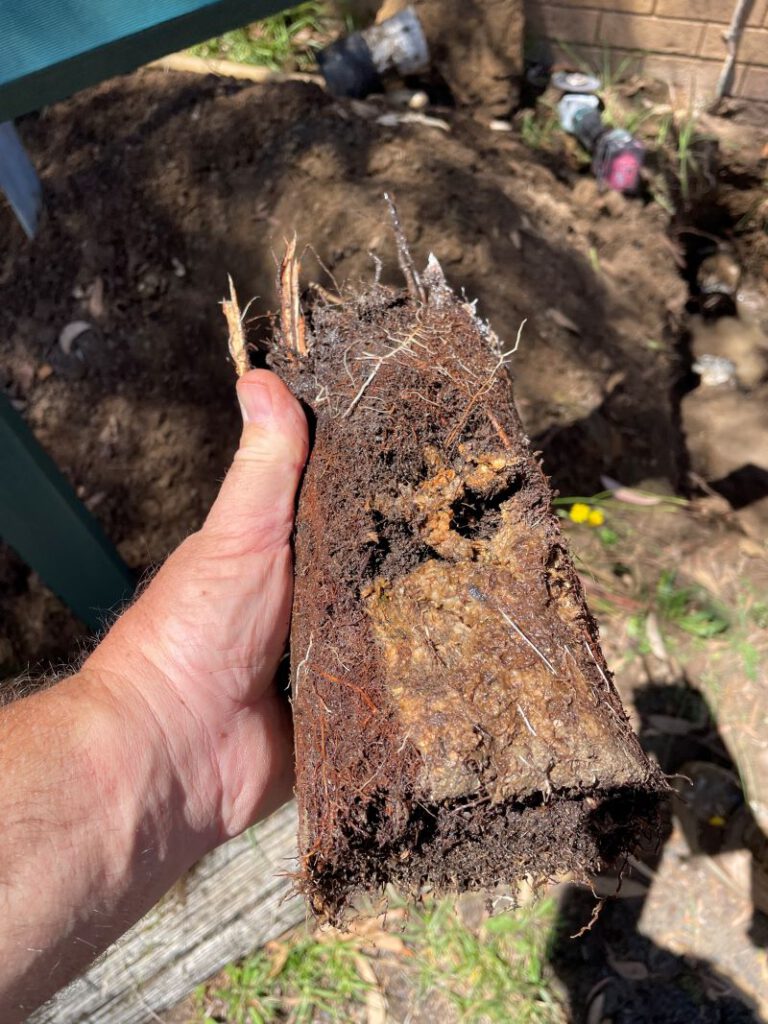
If you live in Caboolture, Morayfield, Upper Caboolture, or the Moreton Bay region and have observed wet spots, sinking areas, persistent blockages, or cracks in your foundation, you might be concerned that reactive clay soil is compromising your underground pipes.
The foundation in Caboolture consists of reactive clay, which expands when wet and shrinks when dry, with volume fluctuations sometimes exceeding 20%. This continuous cycle exerts significant pressure on underground pipes during wet conditions, rendering them susceptible as the soil dries out. Older clay sewer and galvanised water pipes face heightened risks. Conducting a camera inspection can detect damage early, while pipe relining often provides a practical solution without the need for garden excavation.
In Caboolture, your underground pipes are engaged in a constant struggle against the surrounding soil.
This ongoing conflict can result in severe pipe damage over time. By the time visible indicators arise, the underlying issues may have been developing for an extended period.
How Do Cycles of Clay Soil Contribute to Pipe Damage?
Four key phases are involved in this process: wet swelling (compression), dry shrinking (loss of support), the recurring stress of these cycles, and the common drought-to-flood transition experienced in Southeast Queensland. Each cycle exacerbates existing cracks and misaligns joints.
- The wet phase: Heavy rainfall in Caboolture causes the clay to absorb moisture and expand. This expansion generates crushing pressure on pipes from every direction, which can either force joints together or pull them apart. Rigid pipe materials are particularly susceptible to cracking under such intense pressure.
- The dry phase: As the rain stops and the clay dries, it contracts and pulls away from the pipes, creating voids and gaps. This can lead to sagging, bending at joints, and the formation of bellies where water and sediment can accumulate.
- The repeat cycle: This continuous process of expansion and contraction occurs multiple times a year in Caboolture's climate. Each cycle increases stress on the pipes and gradually widens existing cracks.
- The drought-flood pattern: Southeast Queensland experiences alternating dry spells and heavy wet seasons. After an extended dry period, the clay shrinks significantly. When heavy rain arrives, the soil expands rapidly, putting pipes—often resting in loose, cracked ground—under sudden, extreme pressure.
Which Types of Pipes Face the Greatest Risk of Damage?
Older clay sewer pipes (from properties built before the 1970s), galvanised steel water mains (from homes constructed prior to 1985), and concrete stormwater pipes are particularly vulnerable. Modern PVC pipes generally perform better, but inadequate backfill can still lead to joint separation. Copper pipes, while more flexible, can develop pinhole leaks at connection points due to repeated stress.
- Clay pipes: Clay sewer pipes, especially those from homes built before the 1970s in Caboolture, are among the first to fail. Their brittle composition and heavy construction, combined with mortar joints, make them prone to cracking.
- Galvanised steel pipes: These pipes, used for water supply in homes constructed before 1985, are compromised by internal corrosion and can crack as the clay soil shifts around them.
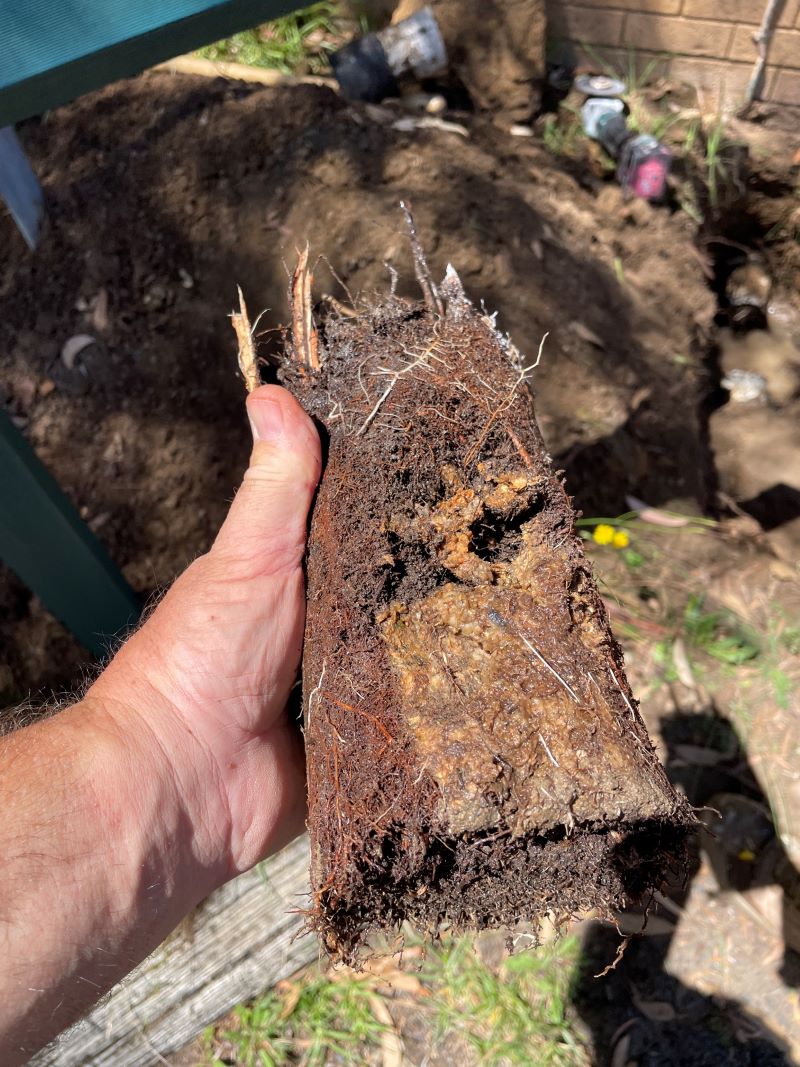
- Concrete stormwater pipes: While older stormwater systems manage compression reasonably well, they often crack at joints during ground movement, allowing roots to intrude through these openings.
- PVC pipes: Modern PVC pipes are more resilient to ground movement due to their flexibility, but significant ground movement can still cause joint separation. Poor backfill during installation can increase the vulnerability of PVC pipes.
- Copper pipes: Used in newer homes for water supply, copper pipes are more flexible than galvanised steel but can still develop leaks at connection points due to repeated bending stress.
What Warning Signs Indicate Underground Pipe Damage?
Stay alert for wet patches during dry weather, sinkholes or soft areas, slow drainage, unpleasant odours in your garden, unusually lush patches of grass, trees heavily rooting in one area, and cracks in your slab. If you notice two or more of these indicators, arrange for a camera inspection without delay.
- Wet patches in the garden during dry weather—this may indicate water leaking from a damaged pipe and saturating the soil.
- Sinkholes or soft spots—these develop when soil is washed into a broken pipe, creating an underground void.
- Slow drainage or recurring blockages—a cracked, shifted, or belly-shaped pipe can trap debris and roots at the damaged locations.
- Unpleasant smells in your yard—a cracked sewer pipe may leak sewage into the surrounding soil.
- Tree roots thriving in a specific area—trees often detect moisture and nutrients leaking from damaged pipes, leading to concentrated root growth.
- Cracks in your slab or foundation—movement in the clay soil affecting your pipes can also impact your home's foundations.
How Do We Detect Pipe Damage?
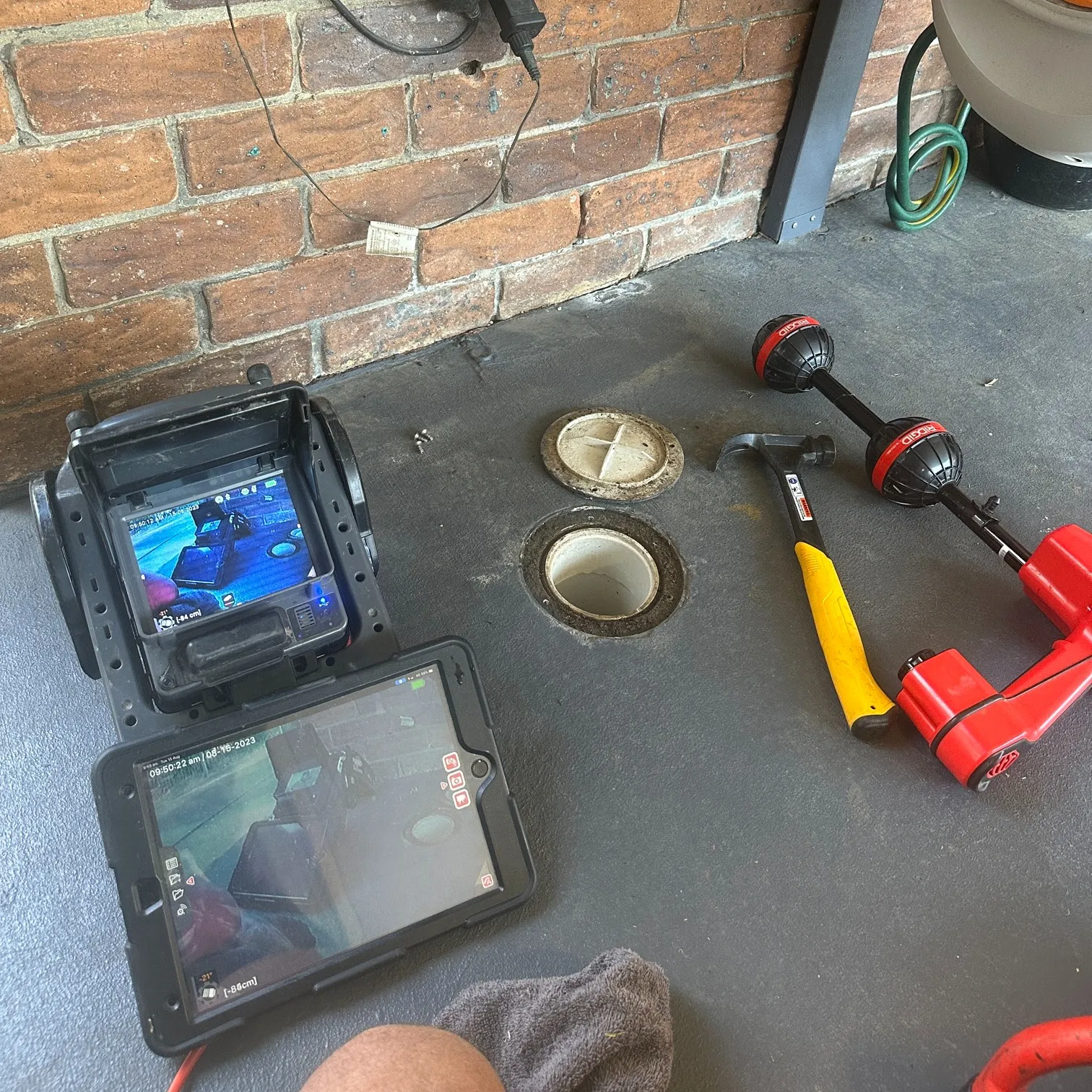
We utilise CCTV drain cameras to conduct real-time visual inspections of sewer and stormwater pipes, identifying cracks, root intrusions, displaced joints, bellies, and collapses. For water mains, we employ acoustic and thermal leak detection methods, alongside a comprehensive property assessment to predict potential future damage.
- CCTV drain camera inspection: A camera travels through the pipe, delivering a live visual of its condition. We can uncover cracks, breaks, root intrusions, displaced joints, sediment accumulation, and areas that have collapsed.
- Leak detection: To locate leaks in water supply pipes, we employ advanced acoustic and thermal detection tools, allowing us to pinpoint issues without the need for excavation.
- Ground assessment: We evaluate the entire landscape—soil conditions, tree placements, pipe materials, and property layout—to understand the causes of damage and anticipate where issues may arise next.
What Effective Solutions Are Available for Pipe Damage?
Hydro jetting is employed to clear immediate blockages. For cracked or root-invaded pipes, pipe relining offers a highly effective solution—this method does not require excavation. Installing French and spoon drains can help mitigate future ground movement pressure. Full excavation is only necessary in cases of complete pipe failure.
- Hydro jetting: This technique clears roots, sediment, and debris from damaged pipes to restore proper flow, often serving as a preliminary step before conducting a camera inspection.
- Pipe relining: This solution is ideal for cracked and root-invaded pipes in clay soil. A flexible resin liner is inserted into the damaged pipe and cured in place, eliminating the need for excavation. This solution is designed to last over 50 years.
- French drains: These systems redirect groundwater away from pipe corridors, reducing the pressure caused by the wet-dry cycle.
- Spoon drains: These surface drains capture and redirect rainwater before it saturates the soil around underground pipes.
- Excavation and replacement: This option is reserved for completely collapsed pipes where relining is not feasible. We replace the damaged section with new PVC pipes bedded on sand (rather than clay) to mitigate future issues caused by ground movement.
Why Is Immediate Action Essential to Prevent Pipe Collapse?
Damage to underground pipes in clay soil progressively worsens over time. The situation does not stabilise; it deteriorates. A minor crack today could lead to complete pipe failure tomorrow. Roots that infiltrate gaps will continue to grow, ultimately obstructing the pipe entirely.
The most cost-effective repairs are those made early. A camera inspection reveals the precise conditions underground, allowing you to plan necessary repairs before an urgent situation arises.
You can also verify our QBCC licence on the QBCC public register before scheduling a booking—we are a licensed plumbing contractor in Queensland.
Call 1300 793 962 or contact us to arrange your underground pipe inspection.
Frequently Asked Questions About Clay Soil and Pipe Damage
How Can I Minimise the Risk of Clay Soil Damaging My Pipes?
While you can reduce the risk of damage, complete prevention is not possible. Regularly watering the area around your home during dry spells can help lessen the shrinkage cycle. Effective tree management can alleviate root pressure on pipes. Proper drainage systems also assist in decreasing soil saturation. Regular monitoring of pipes in reactive clay soil is vital—camera inspections can identify issues early.
What Are the Costs Associated with Repairing Pipes Damaged by Clay Soil?
Repair costs vary depending on the extent of the damage and the chosen repair method. Hydro jetting to clear a blockage starts at approximately $350. Pipe relining for a damaged section typically begins at $4,000, while full excavation and replacement for a collapsed pipe may exceed $8,000, influenced by factors such as depth, length, and accessibility. We provide accurate pricing after conducting a camera inspection.
Is Pipe Relining as Effective as Installing a New Pipe?
In most situations, yes. A relined pipe features a smooth, jointless interior that actually allows for better flow than the original pipe. The resin liner resists root intrusion and corrosion, boasting a lifespan of over 50 years. The primary advantage of relining over replacement is that it preserves your garden, driveway, and yard.
How Can I Determine if My Property Contains Reactive Clay Soil?
Caboolture, Morayfield, Upper Caboolture, and much of the Moreton Bay area sit atop reactive clay. Signs to observe include deep cracks in the soil during dry spells, sticky clay when wet, and uneven ground levels throughout the seasons. If your home was constructed with special footings (deeper and reinforced), it is likely that the builder recognised the reactive nature of the soil.
Who Should Refrain from Reading This Article?
- If you are located outside the Moreton Bay region—different soil conditions necessitate different solutions. Our services specifically cover Caboolture, Burpengary, Morayfield, Bribie Island, Narangba, and surrounding suburbs.
- If you plan to undertake DIY plumbing work—underground sanitary plumbing must be performed by a licensed plumber in Queensland.
- If you are seeking the cheapest quick fix without an inspection—we prioritise thorough assessments; we won’t commence excavation without first conducting a camera inspection.
Original Article First Published At: Understanding How Caboolture’s Clay Soil Deteriorates Your Underground Pipes
The Article: Clay Soil in Caboolture: The Hidden Threat to Your Pipes first appeared on https://writebuff.com
The Article Clay Soil’s Hidden Threat to Pipes in Caboolture Was Found On https://limitsofstrategy.com
The Article Clay Soil’s Impact on Caboolture’s Pipes found first on https://electroquench.com