Essential Steps for Crafting Delicious Homemade Soups
Selecting Premium Ingredients to Enhance Soup Flavour
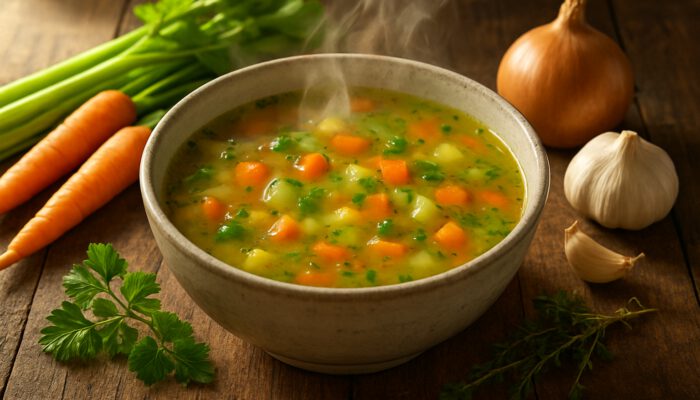
To create an outstanding bowl of homemade soup, beginning with top-notch ingredients is essential. The use of fresh vegetables, herbs, and spices greatly enhances the flavour profile of your dish. Whenever feasible, opt for seasonal ingredients, as these typically offer superior taste and nutritional advantages.
Incorporating staple ingredients such as onions, garlic, and celery provides a solid foundation that complements a variety of soup recipes. These key components not only amplify the flavour but also fill your kitchen with a delightful aroma. A carefully selected base can elevate the simplest recipes to remarkable levels.
Feel free to experiment with diverse combinations of base ingredients to discover exciting new flavours. For example, adding ginger or lemongrass can transform a classic vegetable soup into a delightful culinary adventure. The aim is to strike the right balance among these elements to craft a delicious taste in every bowl.
Is Homemade Stock Essential for Achieving Rich Flavours in Soups?
Homemade stock serves as more than just a luxury; it is the cornerstone of rich flavour in your soups. Unlike store-bought stocks, homemade versions allow for control over salt content and eliminate preservatives that can compromise taste. Simmering vegetables, bones, or both extracts maximum flavour for your dishes.
Combining ingredients in your stock, such as roasted bones, aromatic vegetables, and herbs, creates a complex flavour base. This depth of flavour distinguishes homemade soups from their commercially produced counterparts. The time you dedicate to preparing your stock is undoubtedly worthwhile for the richness it brings to your meals.
Crafting your own stock can also be an environmentally conscious choice. You can repurpose vegetable scraps and leftover bones, minimising waste while creating something truly delightful. This practice enhances your soups and aligns with sustainable cooking principles.
Fundamental Chopping Techniques for Streamlined Soup Preparation
Uniform chopping is key to ensuring even cooking and maintaining the desired texture in your soups. Mastering basic knife skills can significantly enhance the consistency of your dishes. Aim for similarly sized pieces so that all ingredients cook evenly, avoiding the issue of some becoming mushy while others remain undercooked.
Start with essential cuts such as dicing, julienne, and chiffonade. Each cutting technique serves a specific purpose and can elevate the visual appeal of your soup. For instance, finely diced vegetables may dissolve into the broth, while larger chunks provide a satisfying texture.
Practising these chopping techniques not only sharpens your culinary skills but also makes the cooking process more enjoyable. As you become more confident with your knife skills, you will feel empowered to experiment with different textures and shapes, adding a personal touch to every soup you create.
Strategies for Selecting Vegetables to Maximise Soup Flavour
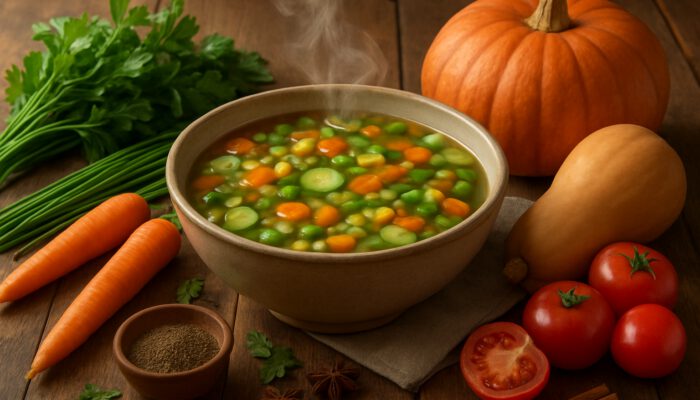
Enhancing Soups by Mixing Different Types of Vegetables
Combining sweet root vegetables with leafy greens can create a balanced flavour profile in your soups. For example, pairing carrots and sweet potatoes with kale or spinach results in a nourishing and flavourful dish. Each type of vegetable brings unique qualities that elevate the overall meal.
Consider the flavour profiles of your ingredients; sweet vegetables can effectively counterbalance the bitterness of greens. This harmony is crucial for crafting a comforting and wholesome soup. Feel free to explore various combinations to find what delights your taste buds.
Variety in texture is also important. The crispness of fresh greens contrasts beautifully with the softness of cooked root vegetables, making each spoonful engaging. This approach not only enriches flavour but also creates a visually appealing dish that invites enjoyment.
What Benefits Are Associated with Using Seasonal Produce?
Choosing seasonal produce significantly improves both the flavour and nutritional value of your soups. Ingredients harvested at their peak tend to be more vibrant and nutrient-rich. By opting for seasonal items, you also support local farmers while reducing your carbon footprint.
Incorporating seasonal vegetables into your cooking allows you to take advantage of the best flavours available. For example, using ripe summer tomatoes can elevate a simple tomato soup. Similarly, winter root vegetables provide hearty warmth during the colder months.
- Enhanced flavour intensity
- Improved nutritional content
- Support for local agriculture
- Cost savings through seasonal promotions
Embracing seasonal produce can also spark creativity in your culinary pursuits. Each season brings a new array of ingredients, encouraging you to experiment with different combinations and techniques. This approach keeps your meals exciting and fosters a deeper connection to the food you prepare.
What are the Key Advantages of Selecting Quality Vegetables for Soups?
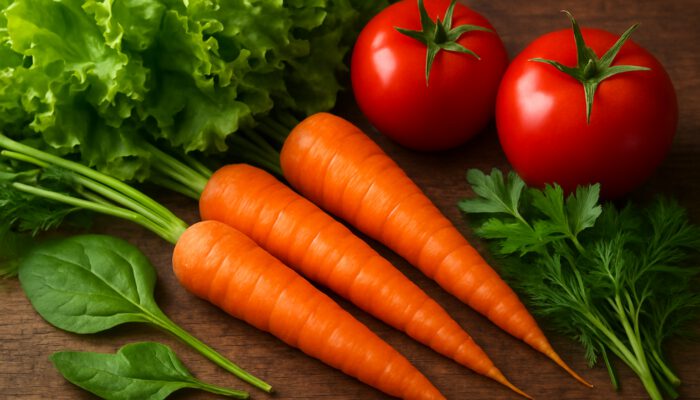
When choosing vegetables for your soups, pay attention to signs of freshness for optimal results. Look for firm textures, bright colours, and a pleasant aroma. These qualities often indicate peak quality and flavour, resulting in a more satisfying dish.
- Firmness indicates freshness
- Bright colours suggest peak ripeness
- Aromatic vegetables enhance flavour
- Seasonal varieties offer unique tastes
Utilising fresh vegetables not only enhances the taste of your soups but also boosts their nutritional content. Fresh produce is generally richer in vitamins and minerals, contributing to a healthier meal. Prioritising quality in your vegetable selection is crucial for creating soups that are both delicious and nutritious.
How to Adapt Soup Recipes for Seasonal Variations
Adjusting Cooking Times Based on Ingredient Density
Modifying cooking times according to the density of your ingredients is critical for achieving the ideal texture in your soups. For example, hearty vegetables like potatoes and carrots require longer cooking times than delicate greens such as spinach or herbs. Understanding these differences enables you to create a well-balanced dish.
When adjusting recipes, pay attention to the order in which you add your ingredients. Start with denser vegetables, allowing them to simmer before introducing lighter components. This method ensures that everything is cooked perfectly without compromising the integrity of more delicate ingredients.
As seasons change, so do the varieties of vegetables available. Adjusting your cooking times allows you to make the most of seasonal produce, ensuring that each ingredient shines in your soup. This flexibility enhances your cooking experience throughout the year.
How Can Ingredient Substitutions Refresh Recipes?
Replacing heavier ingredients with lighter alternatives can revitalise classic recipes while preserving their overall appeal. For instance, using zucchini in place of potatoes can yield a lighter version of a traditional soup without sacrificing flavour. This adaptability encourages creativity in your cooking.
When making substitutions, consider the texture and flavour profiles of the replacements. Lighter vegetables can offer a fresh twist while still complementing the other components of your soup. This approach not only keeps your meals interesting but also accommodates various dietary preferences.
Experimenting with substitutions can lead to delightful discoveries. You may find that a simple swap enhances your dish in unexpected ways. Embrace the chance to tailor your soups to align with the season and your personal taste.
Comprehensive Overview of Blending Techniques
Mastering blending techniques can greatly enhance the presentation and texture of your soups. Whether you prefer a smooth or chunky consistency, selecting the right method is vital. An immersion blender allows for easy adjustments without the hassle of transferring hot soup to a traditional blender.
For a chunky soup, blend only a portion of the mixture, leaving some ingredients intact for texture. In contrast, for a creamy, velvety soup, blend thoroughly until smooth. This versatility enables you to cater to diverse preferences and create a variety of exciting soups.
Experimenting with blending techniques can also introduce new flavours. Adding a splash of cream or a drizzle of olive oil during blending can enrich the soup’s taste and mouthfeel. The right technique enhances not just the dish but also the visual appeal.
Proven Strategies for Making Fresh Homemade Soups Year-Round
Real-Life Inspirations for Unique Soup Variations
Exploring new flavour combinations can elevate everyday meals and present delightful tastes. For instance, a classic pumpkin soup can be enhanced with coconut milk and spices such as cumin and coriander. This combination adds warmth and an exotic flair.
Another example is a traditional minestrone soup, which can be adapted with seasonal vegetables. In spring, consider incorporating asparagus and peas, while in autumn, opt for root vegetables like carrots and parsnips. This seasonal approach keeps your soups fresh and engaging.
Encouraging experimentation allows you to uncover unique flavour pairings that may become family favourites. Maintain a journal of your soup creations, noting what works well and what could be improved. This practice nurtures a deeper understanding of flavour profiles and your personal cooking style.
Evaluating Broth Clarity for Restaurant-Quality Soups
Achieving a crystal-clear broth often indicates high-quality soups. Regularly skimming the surface of your simmering stock helps eliminate impurities and excess fat, resulting in a cleaner flavour. This simple step can significantly elevate the overall quality of your soup.
Straining the broth through a fine mesh sieve after cooking can further enhance clarity. This technique removes any remaining solids, leaving you with a beautiful, transparent liquid. The visual appeal of a clear broth is just as important as its taste.
Investing time in these techniques not only improves the quality of your soups but also impresses your guests. A well-crafted broth can be the distinction between a good soup and an extraordinary one, showcasing your culinary skills and attention to detail.
Advanced Seasoning Techniques for Enhanced Flavour Depth
Layering herbs and spices at different stages of the cooking process can create complex flavours in your soups. Begin by sautéing aromatics like onions and garlic, then introduce herbs early on to infuse the base with flavour. This method develops depth that enhances the final dish.
As the soup simmers, consider adding fresh herbs towards the end of cooking. This preserves their vibrant flavours and aromas, adding a refreshing note to the dish. Experimenting with various combinations can yield delightful surprises, elevating your homemade soups.
Be open to adjusting seasoning as you taste. A pinch of salt or a squeeze of lemon juice can significantly enhance overall flavour. This dynamic approach to seasoning can set your homemade soups apart from commercial options, making them memorable and satisfying.
What Elements Make a Soup Nutritious and Satisfying?
Incorporating Protein for Increased Heartiness
Integrating protein-rich ingredients such as legumes or grains can substantially enhance the heartiness of your soups. Ingredients like lentils, chickpeas, or quinoa not only add nutritional value but also contribute to a more filling dish. This balance is essential for crafting soups that serve as a complete meal.
When selecting protein sources, consider their cooking times and how they blend with other ingredients. For instance, lentils cook quickly and can be added towards the end, while beans may require longer to soften. Understanding these nuances aids in crafting well-rounded soups.
By focusing on protein-rich ingredients, you can create soups that are both filling and nutritious. This approach aligns with various dietary needs and preferences, making a well-balanced soup a satisfying option for lunch or dinner, providing lasting energy.
How Does Fibre Content Influence Meal Satisfaction?
High-fibre vegetables play a crucial role in promoting digestive health and providing sustained energy. Ingredients such as beans, lentils, and fibrous vegetables like carrots and broccoli can elevate the nutritional profile of your soups, making them ideal for wholesome meals that support overall well-being.
Fibre not only aids digestion but also contributes to a feeling of fullness, making soups an excellent choice for those aiming to maintain a balanced diet. Incorporating a variety of fibre-rich ingredients ensures that your soups are not only delicious but also beneficial for health.
As you create your soups, consider the fibre content of your ingredients. This awareness can lead to more nutritious meals that satisfy hunger without excessive calories. A well-balanced soup can serve as a cornerstone of a healthy eating plan.
Practical Portion Control Techniques for Nutritious Meals
Thoughtfully measuring servings is crucial for maintaining nutritional goals while enjoying your homemade soups. Using a ladle or measuring cup guarantees that you serve appropriate portions, preventing overeating while still allowing enjoyment of your culinary creations.
Consider the nutritional content of each serving when planning your meals. Balancing ingredients can help create satisfying portions that align with dietary needs. For instance, a soup rich in vegetables and protein may be more filling than one primarily made of broth.
Portion control can also extend to meal planning. By preparing larger batches of soup, you can easily freeze individual servings for future meals. This strategy not only saves time but also ensures that you have healthy options readily available, making it easier to stick to your nutritional goals.
Reliable Techniques for Crafting Fresh Homemade Soups Throughout the Year
Effective Recipe Scaling for Varying Serving Sizes
Accurately scaling recipes for different household sizes is essential for maintaining consistent quality and minimising waste. When adjusting quantities, use straightforward multiplication or division to preserve the balance of flavours and textures. This practice enables you to cater to diverse occasions, whether cooking for one or feeding a larger group.
Keep in mind the cooking times and equipment needed when scaling up or down. Larger batches may require extended simmering times, while smaller portions can cook faster. Understanding these adjustments ensures that every soup is prepared to perfection, regardless of the quantity.
Efficient scaling also helps reduce food waste. By preparing only what you need, you can enjoy fresh meals without excess leftovers. This practice aligns with sustainable cooking values, making your homemade soups not only delicious but also environmentally friendly.
Practical Steps for Testing Flavours During Cooking
Conducting flavour tests while cooking is crucial for achieving the desired taste in your soups. Start tasting at various intervals, particularly after adding key ingredients. This practice allows you to fine-tune seasoning and adjust flavours before serving, ensuring a well-balanced final dish.
Keep a notebook handy to record your observations and adjustments. Noting what works well and what doesn’t can guide future cooking sessions, helping you refine your techniques and flavour profiles. This reflective approach can lead to more successful and enjoyable cooking experiences.
Encourage feedback from family or friends who sample your soups. Their insights can provide valuable perspectives and inspire new ideas for flavour combinations. This collaborative approach enhances your culinary journey and fosters a sense of community around food.
Maintaining Kitchen Equipment for Optimal Cooking
Keeping your kitchen tools in excellent condition is essential for smooth preparation processes. Regularly sharpening knives and cleaning equipment ensures that you can work efficiently and safely. Well-maintained tools not only facilitate cooking but also improve the quality of your soups.
Investing time in equipment maintenance can extend the lifespan of your kitchen essentials. For example, properly cleaning and drying pots and pans prevents rust and damage, ensuring they remain in optimal condition for years. This attention to detail reflects your commitment to quality cooking.
Consider organising your kitchen space to make equipment easily accessible. A well-organised kitchen can streamline your cooking process, making it more enjoyable. This efficiency allows you to focus on crafting delicious soups without the distraction of clutter or disorganised tools.
Selecting Seasonal Ingredients for Ultimate Freshness
Choosing the finest seasonal ingredients available at markets is key to maximising taste and freshness in your homemade soups. Seasonal produce not only enhances flavour but also supports sustainable farming practices. By opting for locally sourced ingredients, you contribute to the health of your community and the environment.
Each season offers a unique selection of ingredients. In spring, look for fresh peas and asparagus, while summer brings vibrant tomatoes and zucchini. Autumn is ideal for root vegetables, and winter calls for hearty greens and squashes. Embracing these seasonal changes keeps your soups exciting and varied.
Don’t hesitate to ask local farmers or market vendors for recommendations on the best seasonal produce. Their expertise can guide you toward the freshest options, ensuring your soups are packed with flavour and nutritional benefits. This connection to local sources enriches your cooking experience.
Effective Techniques for Preserving Soup Portions
Learning effective techniques for portioning and preserving homemade soups is essential for enjoying them year-round. After cooking, allow your soup to cool before transferring it to airtight containers. Proper cooling prevents condensation, which can lead to freezer burn and loss of quality.
Consider freezing soups in individual portions for simpler meal planning. This method enables you to easily reheat only what you need, reducing waste and ensuring that your meals remain fresh. Label containers with the date and contents for easy identification later.
When reheating frozen soups, do so gently over low heat while stirring occasionally. This method helps restore the soup’s original texture and flavour, avoiding separation. By following these preservation techniques, you can enjoy the benefits of homemade soup any time of year.
How Do Herbs Elevate Soup Flavours?
Distinguishing Between Fresh and Dried Herbs for Optimal Aroma
Understanding when to use fresh versus dried herbs is vital for maximising aroma release during cooking. Fresh herbs, such as basil or parsley, should be added towards the end of cooking to maintain their bright flavours. Dried herbs, on the other hand, benefit from longer cooking times, allowing their flavours to infuse the dish more thoroughly.
Incorporating fresh herbs can significantly enhance the taste of your soup, providing a vibrant contrast to other ingredients. Consider using them as a garnish to boost both flavour and presentation. This final touch can transform a simple soup into a gourmet experience.
Experimenting with various herbs can lead to delightful discoveries. For instance, adding fresh dill to a potato soup can introduce a refreshing twist. Understanding each herb’s properties allows you to customise your soups to suit your personal taste and preferences.
Key Advantages of Thoughtful Herb Integration in Soups
Timing your herb additions correctly is essential for preventing bitterness and preserving delicate notes throughout the dish. Herbs can significantly enhance the flavour profile of your soups when used thoughtfully. Here are some key benefits of integrating herbs:
- Enhances flavour complexity
- Adds freshness and brightness
- Provides nutritional benefits
- Improves visual appeal
Incorporating herbs not only elevates taste but also adds layers of aroma that make your soups more inviting. This thoughtful integration creates a harmonious balance among all ingredients, ensuring that each bowl is enjoyable and satisfying.
Storing Fresh Herbs for Maximum Freshness
Properly storing fresh herbs is vital for retaining their vibrancy and flavour for multiple uses. Wrap bunches in a damp paper towel and place them in a plastic bag in the refrigerator. This method helps maintain moisture and prevents wilting, allowing you to enjoy fresh herbs for several days.
Consider using herb storage solutions, such as herb keepers, which provide optimal conditions for longevity. These tools can help extend the shelf life of your herbs, ensuring that you have fresh ingredients on hand for soups and other dishes.
Regularly check your herbs for signs of spoilage, and use them promptly for the best flavour. Incorporating fresh herbs into your cooking not only enhances your soups but also promotes a sustainable approach to using ingredients before they go to waste.
Pairing Herbs with Key Ingredients for Optimal Flavour Enhancement
Selecting herbs that complement vegetables, meats, or legumes can maximise flavour synergy in soups. For instance, pairing thyme with chicken or rosemary with white beans can create a harmonious blend of tastes. This thoughtful matching allows each element to contribute uniquely to the final dish.
Consider the flavour profiles of your ingredients when choosing herbs. Earthy vegetables may benefit from robust herbs like sage, while lighter ingredients can be enhanced by fresh basil or cilantro. This strategic pairing elevates the overall experience of your soup.
Experimenting with different combinations can lead to delightful surprises. Don’t hesitate to try new pairings that may seem unconventional. This adventurous approach can result in memorable soups that impress family and friends, showcasing your culinary creativity.
Experimenting with Herb Quantities for Ideal Balance
Adjusting the amount of herbs used allows you to control intensity levels in your soup. Start with small quantities and taste as you go, enabling you to achieve the perfect balance. This method prevents overpowering the dish and ensures that the flavours remain harmonious.
Testing small batches can effectively refine your approach. Document the quantities used and the resulting flavours to inform future cooking sessions. This practice nurtures a deeper understanding of how herbs interact with other ingredients.
Encourage creativity in your cooking by experimenting with various herb combinations. You may discover unique flavour profiles that become your signature. This openness to exploration can lead to exciting culinary adventures and delicious homemade soups.
Best Practices for Storing and Freezing Soups
Choosing Appropriate Containers for Soup Storage
Selecting airtight containers is essential for preventing freezer burn and maintaining the original taste and texture of your soups. Opt for glass or high-quality plastic containers that can withstand freezing temperatures. Avoid low-quality bags that may not seal properly.
Consider portioning your soups into individual servings for easier reheating. This approach allows you to enjoy homemade soup without the hassle of thawing an entire batch. Clearly label each container with the date and contents to keep track of your frozen stock.
When selecting containers, ensure they are suitable for both freezing and reheating. This versatility simplifies meal prep, allowing you to enjoy your creations at any time without compromising quality. Proper storage techniques can significantly enhance your cooking experience.
Key Benefits of Effective Labelling Practices
Clearly marking dates on your soup containers is vital for effective stock rotation. Proper labeling ensures that you consume older soups first, reducing waste and ensuring freshness. Here are some key benefits of proper labeling:
- Prevents food waste
- Ensures safe consumption
- Facilitates meal planning
- Helps track inventory
Implementing a labelling system can streamline your cooking process, making it easier to manage your frozen soups. This approach enhances your kitchen efficiency while supporting sustainable cooking practices by minimising waste.
Reheating Soups Without Compromising Quality
Gently warming your soups over low heat is crucial for restoring smoothness and preventing separation. Stirring occasionally during reheating helps maintain the integrity of the ingredients, ensuring a consistent texture throughout. This method preserves your soup’s quality, making it enjoyable even after freezing.
Avoid using high heat, which can cause the soup to boil and alter its texture. Instead, take your time to reheat gradually, allowing the flavours to meld beautifully. This patience can significantly enhance the final taste and experience of your soup.
If the soup appears too thick during reheating, consider adding a splash of broth or water. This adjustment can help restore the desired consistency without compromising flavour. By following these reheating techniques, you can savour your homemade soups at their best.
Portioning Before Freezing for Maximum Convenience
Dividing your soups into individual or family-sized portions prior to freezing simplifies future meal planning. This practice allows convenient access to single servings, making it easy to enjoy homemade soup without the need to thaw an entire batch. It also helps minimise waste, as you can defrost only what you need.
When portioning, consider your containers’ sizes to ensure they fit well in your freezer. This organisation makes it easier to stack and store your soups efficiently. Properly portioned soups can also expedite meal prep, allowing you to enjoy homemade meals without the hassle.
Clearly label each portion with the date and contents to ensure easy identification later. This practice keeps your freezer organised and helps you keep track of your inventory. By portioning effectively, you can enjoy the benefits of homemade soup any time of year.
Frequently Asked Questions About Homemade Soups
Which vegetables are best for soup?
Root vegetables such as carrots and potatoes, along with leafy greens like spinach and kale, are excellent choices. They provide flavour, texture, and nutritional benefits, making them ideal for a variety of soups.
Can I use frozen vegetables in my soup?
Yes, frozen vegetables can be a convenient option. They are often flash-frozen at peak ripeness, preserving their nutrients and flavour. Just be sure to adjust cooking times as necessary.
What are effective methods to thicken my soup?
You can thicken your soup by pureeing a portion of it, adding a roux, or incorporating ingredients like potatoes or beans. Each method offers a different texture and flavour profile.
Which herbs work best in soups?
Common herbs for soups include thyme, parsley, basil, and dill. Each herb adds its distinct flavour, enhancing the overall taste of your dish.
How long can I store homemade soup?
Homemade soup can be stored in the refrigerator for up to 3-4 days. For longer storage, freeze portions for up to 3 months while maintaining quality.
Should I add salt to my soup while cooking?
Yes, adding salt throughout the cooking process helps build flavour. Be cautious with the amount, especially if using stock that already contains salt.
Can I make soup in a slow cooker?
Absolutely! Slow cookers are excellent for soups, allowing flavours to meld beautifully over time. Just add your ingredients and let them simmer until tender.
What is the best way to reheat frozen soup?
The best way to reheat frozen soup is on low heat in a saucepan, stirring occasionally. This prevents separation and ensures even warming without compromising texture.
Can I substitute water for stock in soup recipes?
Yes, you can substitute water for stock, but it may result in a less flavourful soup. Consider adding herbs and spices to enhance the taste if you opt for water.
How can I make my soup more nutritious?
Incorporating a variety of vegetables, legumes, and whole grains can enhance the nutritional value of your soup. Focus on using fresh, seasonal ingredients for the best results.
Connect with us on Facebook!
The post Fresh Homemade Soup Recipes For Every Season: All-Year Tips appeared first on Cooking Gods
The Article Homemade Soup Recipes: Seasonal Tips for Every Occasion Was Found On https://limitsofstrategy.com
The Article Homemade Soup Recipes for Every Seasonal Occasion found first on https://electroquench.com