Unlock the Secrets of Video SEO: Proven Strategies to Achieve Maximum Online Visibility
Why Are Keywords Essential for Achieving Success in Video SEO?
Keywords act as the foundational elements of effective video SEO strategies, playing a crucial role in elevating the discoverability and engagement of your video content. By selecting and embedding relevant keywords with care, content creators can significantly enhance their video’s visibility in search results. Choosing the right keywords not only assists users in locating relevant content but also promotes increased viewer interaction by ensuring that the video resonates with its target audience. A comprehensive approach to keyword selection should emphasise both popularity and relevance, effectively aligning the content with the expectations and interests of viewers, thereby improving overall engagement.
The primary categories of keywords crucial for successful optimisation include:
- Primary Keywords: These are the main keywords that directly relate to the core subject of the video.
- Long-tail Keywords: These are highly specific phrases that are searched less frequently, often leading to a more qualified audience.
- Geo-targeted Keywords: These keywords include specific locations, which are vital for enhancing local video SEO.
- Trending Keywords: These reflect current events or popular topics within your niche, providing timely relevance.
- Semantic Keywords: These related terms provide context to the primary keywords, enriching the content.
- Hashtags: These are utilised on platforms such as YouTube and TikTok to categorise content and improve visibility.
By focusing on these types of <a href="https://electroquench.com/lsi-keywords-universal-strategies-to-enhance-context/">Keywords</a> and implementing them strategically throughout video content—within titles, descriptions, and tags—creators can optimise their videos for improved search performance and greater user engagement.
Which Key Components Significantly Boost Video SEO Performance?
The effectiveness of video SEO hinges on several key components that enhance performance and foster viewer engagement. The first step requires crafting an engaging title; a captivating title encapsulates the essence of the content while seamlessly incorporating targeted keywords. This approach not only attracts viewers but also informs search engines about the video’s subject matter. Equally vital is creating a detailed description. This should provide a lucid overview of the video’s content, embedding relevant keywords that encourage viewers to explore further.
Tags also play a significant role in influencing video SEO. They help categorise the video across various platforms, facilitating discovery by both search engines and viewers. Eye-catching thumbnails are crucial; an appealing thumbnail can significantly enhance click-through rates by inviting viewers to watch the video. Lastly, the quality of the video itself is paramount. High-resolution videos yield better outcomes in terms of viewer engagement and search rankings, as they elevate the overall viewing experience.
What Benefits Does Effective Video SEO Optimisation Provide?
The benefits of proficient video SEO optimisation extend far beyond merely increasing visibility. When videos are optimally configured, they reach a broader audience and improve user retention, leading to a more engaged viewer base. Implementing effective strategies—such as incorporating relevant keywords and crafting compelling titles—ensures that videos connect with the right viewers, consequently boosting engagement rates and encouraging social shares.
Moreover, continuously adjusting based on performance metrics is essential for maintaining and enhancing results over time. Regular updates to keywords, refining descriptions, and analysing viewer feedback can lead to sustained success on video platforms. As search algorithms evolve, remaining attuned to these changes enables content creators to stay competitive and relevant in the dynamic digital landscape. This proactive optimisation strategy nurtures a loyal audience while enhancing the overall effectiveness of video content.
What Common Mistakes Should Be Avoided in Video SEO Practices?

When optimising video content for search engines, it is vital to avoid common pitfalls that can negatively impact discoverability. A frequent mistake is neglecting metadata optimisation. Metadata—including titles, descriptions, and tags—provides search engines with essential information about the video. Failing to accurately complete these fields can lead to reduced visibility in search results.
Another error involves using irrelevant or excessively generic keywords, which can lead to a misalignment between the content and viewer intent, resulting in poor engagement rates. Creators should avoid keyword stuffing, as this practice can detract from user experience and lead to penalties from search engines. Furthermore, failing to engage with audience feedback can impede growth; actively listening to viewer comments and suggestions is vital for continually refining content. Lastly, overlooking video quality can deter viewers and adversely affect SEO performance. Prioritising high production values significantly contributes to viewer retention and satisfaction.
What Key Strategies Are Crucial for Achieving Success in Video SEO?
How to Optimise Your Video Metadata for Maximum Impact?
Optimising video metadata is critical for aligning content with search algorithms and enhancing overall discoverability. This process commences with crafting an engaging title that integrates targeted keywords. The title should be catchy, informative, and accurately reflect the video’s content. Following this, a meticulously crafted video description should provide a comprehensive overview while embedding relevant keywords naturally to bolster search rankings.
Tags represent another essential component of metadata. They assist in categorising the video, thereby improving its visibility in related searches. It is advisable to utilise a combination of broad and specific tags to reach a wider audience while catering to niche viewers. Furthermore, including a transcript can enhance SEO by providing search engines with additional context about the video. This strategy not only aids in indexing but also improves accessibility and engagement for viewers who prefer reading.
Lastly, creators should ensure that their thumbnails are optimally designed. Thumbnails should be visually striking and directly relevant to the video content, as they play a significant role in attracting clicks. A well-optimised video with a strong focus on metadata ultimately leads to improved rankings and heightened viewer engagement, driving more traffic to the content.
What Considerations Should You Assess When Choosing Video Formats?
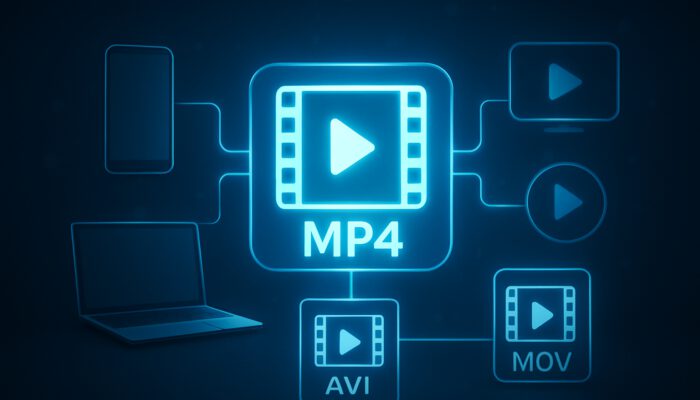
Selecting the appropriate video format is vital for ensuring compatibility and quality, which directly influences viewer satisfaction. Different platforms have specific format requirements and preferences; therefore, understanding these distinctions can significantly extend your content’s reach. Commonly used formats include MP4, AVI, and MOV; however, MP4 is often preferred due to its effective balance of quality and compression.
Resolution is another critical aspect. High-definition (HD) videos, particularly those in 1080p or 4K, tend to attract more viewers and perform better in search rankings. When producing videos, considering the aspect ratio is essential, as platforms like YouTube favour a 16:9 format, whereas social media platforms may require different dimensions.
File size also deserves attention; excessively large files can lead to slow loading times and buffering issues, frustrating viewers and resulting in decreased engagement. Therefore, optimising video files for size without compromising quality is imperative. Effectively utilising codecs can ensure that videos maintain clarity while being easy to stream. By selecting the right formats and optimising them for the intended platforms, creators can significantly enhance the viewer experience.
How to Design Eye-Catching Thumbnails That Engage Viewers?
Creating thumbnails that entice clicks is crucial for enhancing video performance. An engaging thumbnail serves as a visual representation of the video, compelling potential viewers to click and watch. To design effective thumbnails, creators should consider using high-contrast colours and bold fonts that stand out in a crowded feed.
Incorporating striking imagery is also vital; selecting a frame that encapsulates the essence of the video or employing custom graphics can enhance a thumbnail’s attractiveness. Thumbnails that feature expressive faces tend to draw attention, significantly improving click-through rates. Ensuring that thumbnail designs align with the video’s content is also crucial to avoid misleading viewers.
Additionally, including text overlays can provide context and highlight key aspects of the video. Utilising keywords within the thumbnail can inform viewers about the content’s relevance, encouraging them to watch. Maintaining consistency in thumbnail style across a creator’s channel can reinforce brand identity, making it easier for viewers to recognise content. Ultimately, investing time in thumbnail design can lead to significantly improved engagement and higher view counts.
Expert Insights on Local Video SEO Optimisation
What Real-World Examples Demonstrate Effective Keyword Integration?
Successfully integrating keywords into video content can dramatically elevate its visibility and viewer engagement. A practical step is to begin with comprehensive keyword research to identify terms that resonate with local audiences. For instance, a travel vlog focusing on hiking trails in the Swiss Alps should incorporate keywords such as “Best hiking trails in Switzerland” or “Hiking tips for the Swiss Alps.”
These keywords can be seamlessly woven into the video script, ensuring they flow naturally with the content. Moreover, including them in the title and description is beneficial. For example, an engaging title like “Discover the Best Hiking Trails in Switzerland” not only captures attention but also integrates the primary keyword for enhanced SEO benefits.
Another effective strategy involves creating playlists or series around specific themes that include targeted keywords. For example, a series titled “Local Food Adventures in [City Name]” can effectively attract viewers searching for dining experiences in that specific location. This method boosts discoverability while appealing directly to the interests of the target audience, thereby enhancing engagement and retention.
How Can Research-Driven Approaches Enhance Content Structure?
Structuring video content for maximum impact is essential for both viewer engagement and search visibility. A research-informed approach entails organising videos to ensure a coherent flow of information. Starting with a strong hook—an intriguing fact or question—can captivate viewers’ attention from the outset.
Utilising a clear outline during production aids in transitioning smoothly between points. For instance, a video exploring local cultural events might segment content into distinct parts with clear titles, such as “Upcoming Festivals,” “Local Art Exhibitions,” and “Music Events.” This structure not only helps maintain viewer engagement but also facilitates natural keyword integration in each segment.
Incorporating visual aids and graphics can also enhance comprehension and retention. Infographics, charts, or on-screen text can reinforce key points while keeping viewers visually stimulated. Maintaining a pacing that keeps the audience engaged is essential; breaking longer segments into bite-sized pieces can improve overall viewer satisfaction. By layering information in a well-structured manner, content creators can significantly elevate the effectiveness of their videos and enhance search visibility.
What Reliable Strategies Should Be Implemented for Performance Tracking?
Monitoring video performance is essential for optimising content and ensuring success. One effective strategy is to leverage analytics tools provided by platforms such as YouTube or Vimeo. Key metrics to monitor include view counts, watch time, and audience retention rates, which offer insights into how well the content resonates with viewers.
Tracking viewer demographics can also inform future content decisions. Understanding the geographic locations of viewers can highlight specific areas for targeted content, such as local events or community highlights. Regularly assessing engagement metrics—such as likes, comments, and shares—can provide invaluable feedback on what types of content are most appealing to the audience.
Another essential aspect is to analyse traffic sources. Knowing where viewers are discovering the videos—whether through search, suggested videos, or social media—can help tailor promotional strategies effectively. By continuously tracking these metrics and interpreting the data, content creators can refine their video SEO strategies, ensuring optimal outcomes and prolonged success.
How to Include Location-Specific Elements in Your Video Content?
Incorporating location-specific elements in video content can significantly enhance its appeal to local audiences. Geotags serve as powerful tools for indicating the content’s location, helping to improve local search rankings. A travel video featuring local landmarks should include geotags to ensure it appears in searches related to those specific areas.
Integrating local landmarks and community narratives creates a sense of place that resonates with viewers. For example, a video showcasing the culture and history of a local town can engage residents and attract tourists. Highlighting narratives from community members adds authenticity and relatable content, making the video more appealing to local audiences.
Moreover, including calls to action that encourage viewers to explore their local surroundings can drive engagement. Phrases like, “Visit these amazing spots in [Location]” or “Discover the hidden gems of [City]” can inspire viewers to seek out the featured locations. By focusing on regional elements, creators can effectively tailor their videos to engage local audiences, enhance visibility, and drive targeted traffic to their content.
How Can Analytics Be Leveraged to Refine Local SEO Strategies?
Interpreting location-based metrics and viewer demographics from analytics tools is crucial for optimising video content to enhance local visibility. Understanding which regions your viewers hail from can guide content creation, ensuring that videos cater to the specific interests of those audiences. For instance, if a significant portion of viewers resides in a particular city, focusing on local events or attractions can enhance relevance and engagement.
Examining viewer behaviour patterns is also essential. Metrics such as average watch time and drop-off points can reveal whether viewers are engaging with specific content or losing interest. This information allows for adjustments, such as modifying the pacing of videos or enhancing content quality based on viewer preferences.
Additionally, tracking the performance of videos over time can highlight trends in local interests, enabling creators to adapt their strategies accordingly. Regularly analysing analytics data ensures that the content remains aligned with audience expectations and preferences, fostering long-term success in local SEO. By leveraging these insights, creators can continually refine their content, optimising for better visibility, engagement, and impact.
How to Assess Success in Video SEO?
What Key Metrics Should Be Monitored for Optimal Performance?
Tracking the appropriate metrics is fundamental for assessing the effectiveness of video SEO efforts. Key indicators include view counts, which provide a straightforward gauge of how many people have watched the video. Additionally, watch time reflects viewer engagement; longer watch times generally signify that the content resonates well with the audience.
Audience retention rates serve as another critical metric, indicating how many viewers remain engaged throughout the video. High retention rates suggest captivating content, while significant drop-offs can highlight areas needing improvement. Engagement metrics, such as likes, shares, and comments, offer further insight into viewer interactions and sentiments regarding the video.
Conversion rates, particularly for specific calls to action within the video, can measure success in directing viewers to desired outcomes, whether that’s subscribing to a channel or visiting a website. By regularly monitoring these metrics, content creators can make informed adjustments to enhance video performance and SEO effectiveness over time.
What Factors Impact Engagement Rates in Video Content?
Several factors influence engagement rates in video content, affecting how well audiences interact with the material. One significant element is pacing; videos that maintain a steady and engaging rhythm tend to keep viewers interested. A pace that is too slow can lead to viewer boredom, while content that moves too quickly may leave audiences confused.
Content quality is equally important; high-resolution videos with clear audio are more likely to retain viewers. Ensuring that production values meet industry standards can significantly influence audience perception and engagement levels. Additionally, the relevance of the content plays a vital role. Videos that address viewers’ interests and needs are more likely to elicit positive engagement.
Interactive elements, such as polls or questions, can also enhance viewer engagement by inviting participation. Encouraging viewers to comment or share their thoughts fosters a sense of community around the content, promoting ongoing interaction. By concentrating on these factors, content creators can significantly improve engagement rates and build a loyal audience base.
What Tools Are Available for Evaluating Video Performance?
Utilising the right tools for evaluating video performance is crucial for data-driven decision-making. Platforms like YouTube Analytics provide comprehensive insights into video metrics, including views, watch time, and audience demographics. These tools enable creators to track performance over time and identify trends that inform content strategies.
Social media platforms also offer analytical tools that can help gauge how videos perform across different channels. Monitoring engagement rates and shares on platforms like Facebook or Instagram can provide insights into how well content resonates with audiences outside of traditional video platforms.
Third-party tools, such as TubeBuddy or VidIQ, can offer additional layers of analysis, including keyword rankings and optimisation suggestions. These tools can assist in evaluating how well videos are positioned within search algorithms, helping creators make strategic adjustments. By leveraging these tools effectively, content creators can refine their strategies, enhance performance, and improve overall visibility.
How to Establish Realistic Goals and KPIs for Video SEO?
Setting achievable goals and key performance indicators (KPIs) for video SEO is essential for monitoring progress and ensuring long-term success. Goals should be specific, measurable, achievable, relevant, and time-bound (SMART). For instance, a goal might be to increase average watch time by 20% within three months.
KPIs can include metrics such as view counts, engagement rates, and conversion rates tied to specific actions, like clicks on a call to action. Regularly monitoring these KPIs allows creators to evaluate progress and make necessary adjustments. Another example of a KPI could involve reaching a specific number of subscribers or shares within a defined timeframe.
By establishing clear goals and KPIs, content creators can maintain focus and direction in their video SEO strategies. Regularly reviewing these metrics and adjusting tactics as necessary ensures that creators continue to optimise for better visibility and engagement, ultimately leading to sustained success.
How to Interpret Data Trends for Continuous Optimisation?
Interpreting long-term data trends in video SEO metrics is critical for informing strategic adjustments that enhance video ranking and overall digital presence. Tracking growth in views over time can signal successful marketing strategies, while fluctuations in engagement rates can highlight areas needing improvement.
Analysing viewer demographics can provide insights into shifting audience preferences, guiding future content creation. For instance, if data reveals an increase in viewership from a specific geographic area, targeting that audience with tailored content can enhance engagement.
Regularly assessing these trends allows creators to pivot their strategies and respond to changing viewer interests. It’s important to look beyond surface metrics and understand the underlying factors driving viewer behaviour. By interpreting data trends effectively, content creators can continually refine their approach, ensuring that videos not only meet current expectations but also capture future opportunities.
Proven Strategies for Effective Video SEO Implementation
What Are the Best Practices for Uploading Videos?
Uploading videos according to best practices is crucial for maximising reach and accessibility for users. Begin by selecting the appropriate platform for upload, considering factors like audience preferences and content type. Once on the platform, ensure that the video file format and resolution align with the recommended specifications to prevent quality loss during playback.
Craft an engaging title that includes targeted keywords, as this represents the first point of interaction for viewers. Additionally, writing a thorough description that outlines key points while incorporating relevant keywords is vital for SEO. Include tags that effectively categorise the content, utilising a blend of broad and specific terms to reach a wider audience.
When uploading, ensure that thumbnails are visually appealing and relevant to the content, as this can significantly affect click-through rates. Finally, consider scheduling the upload for optimal times based on when your target audience is most active, as this can further enhance initial view counts and engagement.
How to Effectively Enhance Your Video Descriptions?
Writing compelling video descriptions is essential for optimisation and audience connection. Start by providing a concise overview of the video’s content within the initial sentences, ensuring that it captures viewers’ attention. Naturally incorporate targeted keywords within the description to improve search visibility while avoiding keyword stuffing.
Highlight key takeaways or segments of the video to entice viewers to watch the entire piece. Including timestamps can enhance user experience by allowing viewers to navigate directly to specific points of interest. Additionally, consider adding links to related content, social media profiles, or calls to action that encourage further viewer engagement.
Using a conversational tone can help establish a connection with the audience, making them feel more inclined to engage with the content. Regularly revisiting and updating descriptions based on performance can also ensure they remain relevant and engaging over time, ultimately enhancing the video’s visibility and viewer retention.
What Expert Insights Can Be Offered on Link Building Strategies?
Integrating links within videos can substantially enhance authority and discoverability. One effective approach is to include relevant links in the video description, directing viewers to related content, websites, or social media profiles. This not only provides additional resources for viewers but also increases the likelihood of driving traffic to those linked pages.
Annotations and cards are features on platforms like YouTube that allow creators to add clickable links during the video. These can guide viewers to subscribe, watch more videos, or explore external content, enhancing user engagement. It’s crucial to ensure that these links are relevant and valuable to the viewer, aligning with the content’s purpose.
Another strategy is to collaborate with other creators or brands, resulting in cross-promotion through links. This can introduce your content to new audiences and enhance authority by association. By implementing a thoughtful approach to link building, content creators can improve their videos’ discoverability and foster viewer engagement.
How to Optimise Video Thumbnails for Increased Viewer Engagement?
Designing thumbnails that incorporate keywords and visual appeal is essential for attracting viewers. Start with high-resolution images that are relevant to the video content. Using bright colours and bold text can make thumbnails stand out in crowded feeds, encouraging viewers to click.
Including keywords in the thumbnail text can reinforce the video’s subject and improve search visibility. This can be achieved through clear, readable fonts that maintain visibility even in smaller sizes.
Thumbnails should also convey a sense of what the viewer can expect from the video. For example, a thumbnail for a cooking tutorial could prominently feature the final dish, enticing viewers to learn how to recreate it. Maintaining a consistent style across thumbnails can also enhance brand recognition, making it easier for viewers to identify content. By focusing on these design principles, creators can significantly enhance click-through rates and attract more viewers.
What Role Do Video Transcripts Play in Enhancing SEO?
Accurate transcripts play a vital role in video SEO by assisting search engine crawling and improving accessibility. By providing a text version of the spoken content, transcripts enhance indexing by search engines, making it easier for users to locate relevant videos.
Creating transcripts can also improve user experience, as they allow viewers to follow along or reference specific sections. This is particularly beneficial for content that is complex or dense, such as educational tutorials or detailed discussions.
When optimising transcripts, ensure that they are accurate and formatted correctly. Including relevant keywords within the transcript can further enhance search visibility without compromising quality. Providing transcripts in the video description or as a downloadable resource can also cater to different audience preferences, ensuring broader reach. By leveraging transcripts effectively, content creators can maximise their SEO potential while improving accessibility and user engagement.
What Common Mistakes Should Be Avoided in Video SEO?
What Issues Arise from Inadequate Tagging Practices?
Inadequate tagging can severely diminish a video’s visibility in search results. One common pitfall is using overly broad or irrelevant tags, which can misalign the video content with viewer intent. This leads to lower engagement, as users may click on the video expecting one type of content only to find something entirely different.
Another issue involves failing to utilise all available tag fields. Many platforms allow multiple tags, and underutilisation can limit the video’s discoverability. It is crucial to strike a balance between specific and general tags to maximise reach while maintaining relevance.
Additionally, neglecting to update tags as trends and content evolve can result in missed opportunities for discoverability. Regularly revisiting tags and adjusting them based on performance and viewer feedback can ensure that the content remains visible and relevant, thus enhancing overall engagement.
Why Is Overlooking Content Quality a Critical Error?
Disregarding content quality can have dire consequences for video performance. Poor production values—such as low resolution, unclear audio, or shaky camera work—can deter viewers and contribute to high drop-off rates. Today’s audiences expect high-quality content, and failing to meet these standards can lead to negative perceptions and decreased engagement.
Furthermore, clarity of the message is crucial. Videos that are poorly scripted or lack coherence can confuse viewers and undermine the intended impact. Investing in quality editing, sound design, and clear messaging is essential for maintaining audience interest.
It’s also important to consider the relevance of the content itself. Videos that do not resonate with the target audience or fail to address their interests can lead to disengagement. By prioritising quality in both production and content relevance, creators can ensure that their videos perform well and resonate with viewers.
What Are the Consequences of Ignoring Audience Feedback Loops?
Neglecting audience feedback can significantly hinder the growth and success of video content. Failing to engage with viewer comments and suggestions can lead to missed opportunities for improvement and refinement. Viewer feedback is a valuable resource for understanding audience preferences and interests.
Establishing a cycle of review and adaptation can enhance content relevance and engagement. Actively soliciting feedback through polls or direct questions in videos encourages viewers to share their thoughts, fostering a sense of community.
Moreover, analysing viewer engagement metrics can provide insight into what resonates with the audience. By interpreting these signals and making necessary adjustments, content creators can enhance their offerings and maintain audience interest. Ignoring feedback not only stunts growth but can also diminish the overall viewer experience, making it vital to prioritise this aspect in content strategy.
Frequently Asked Questions About Video SEO
What is Video SEO and Why Is It Important?
Video SEO refers to the process of optimising video content for search engines to improve visibility, engagement, and discoverability on platforms such as YouTube and Vimeo. It involves employing targeted keywords, metadata, and engaging visuals to attract viewers to the content.
How Do Keywords Enhance Video Visibility?
Keywords enhance video visibility by aligning the content with user search queries. When effectively integrated into titles, descriptions, and tags, they help search engines understand the video’s relevance, leading to better placement in search results.
What Are Some Common Mistakes in Video SEO?
Common mistakes include poor metadata optimisation, using irrelevant keywords, neglecting video quality, and failing to engage with audience feedback. These errors can significantly hinder discoverability and engagement, ultimately affecting overall success.
Why Are Thumbnails Vital for Video Performance?
Thumbnails are crucial as they represent the first visual impression viewers have of your video. Engaging thumbnails can improve click-through rates, attracting more viewers and enhancing the video’s overall performance.
How Can I Measure Success in Video SEO?
Success can be gauged through key metrics such as view counts, watch time, audience retention, engagement rates, and conversion rates. Regularly tracking these indicators helps refine video strategies and enhance performance over time.
What Role Do Transcripts Play in Video SEO?
Transcripts assist in search engine indexing, making videos more discoverable. They also enhance accessibility for viewers who may prefer reading or have hearing impairments, thus broadening the content’s reach and engagement.
How Can I Optimise Video Descriptions Effectively?
To optimise descriptions, provide a concise overview, naturally incorporate relevant keywords, highlight key takeaways, and add links to related content or calls to action to enhance viewer engagement significantly.
What Metrics Should I Focus on for Audience Engagement?
Focus on metrics such as audience retention, likes, shares, comments, and average watch time to gauge viewer interaction. These indicators help identify content that resonates with the audience, facilitating improvements and growth.
What Are Effective Strategies for Building Video Links?
Effective strategies include adding relevant links in the video description, utilising annotations and cards, and collaborating with other creators to promote cross-linking, thereby enhancing authority and discoverability for the content.
How Can I Improve Video Quality for Enhanced SEO?
Improving video quality involves using high-resolution recordings, ensuring clear audio, maintaining good lighting, and investing in proper editing. High-quality content tends to engage viewers more effectively and boosts SEO performance.
Join the conversation on X today!
The Article How to Optimise for Local Video SEO: Essential Tips was first published on https://marketing-tutor.com
The Article Optimise for Local Video SEO: Key Tips You Need Was Found On https://limitsofstrategy.com
The Article Local Video SEO: Essential Tips for Optimisation found first on https://electroquench.com