In-Depth Examination of Pregnancy Blood Tests
What Is the Purpose of a Pregnancy Blood Test?
Private Pregnancy Blood Test in Swindon: A pregnancy blood test is an essential medical procedure performed in clinics across the UK, designed to accurately confirm whether a woman is pregnant by evaluating specific hormones present in her blood. This procedure involves a straightforward blood draw at local healthcare facilities, providing results that are typically more accurate and available sooner compared to urine tests. This method significantly aids in early detection, which can greatly influence prenatal care and planning for expectant parents.
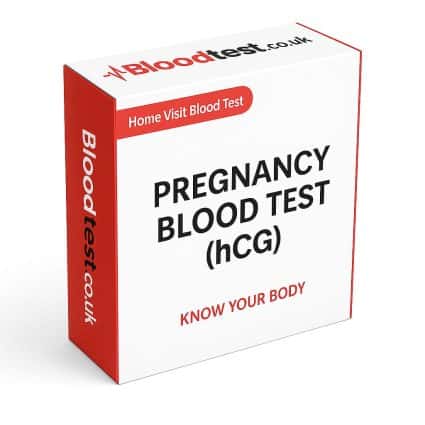

This method is especially beneficial for early detection, which can profoundly impact prenatal care and planning for expectant parents.
What Steps Are Involved in the Pregnancy Testing Process?
The pregnancy testing process within the UK healthcare system adheres to a series of established protocols designed to ensure both accuracy and efficiency. Initially, patients must schedule an appointment at a nearby clinic, where a qualified healthcare professional will collect a blood sample. This sample is then forwarded to a laboratory for detailed analysis, guaranteeing that women in the local area receive reliable results quickly. Familiarising oneself with these steps is crucial for patients, as it demystifies the procedure and prepares them for what to expect during their visit.
What Are the Common Reasons for Blood Testing in Swindon?
In Swindon, the primary motivations for obtaining a pregnancy blood test include routine antenatal care, where early detection is critical for ensuring healthy outcomes, and monitoring pregnancies classified as high-risk, necessitating closer observation. The availability of NHS services in the region ensures that local women benefit from comprehensive support throughout their pregnancy journey, from initial detection to ongoing healthcare needs.
How Is the Pregnancy Blood Test Procedure Conducted?
What Are the Key Steps in the Testing Procedure?
The procedure for carrying out a pregnancy blood test in UK laboratories encompasses several vital stages. After scheduling an appointment, patients arrive at the clinic for a blood draw, a process that typically takes only a few minutes. Following the collection of the blood sample, it is analysed, and results are usually available within a few days. Throughout this process, patients can expect transparent and open communication from healthcare providers, which is vital for fostering trust and ensuring understanding. To optimise preparation for the test, consider implementing these effective tips:
- Book your test early in the morning when hormone levels are at their peak.
- Ensure proper hydration by drinking ample water before your appointment.
- Avoid strenuous activities prior to the test.
- Discuss any current medications with your healthcare provider beforehand.
What Outcomes Can Be Expected and What Do They Mean?
The results from pregnancy blood tests conducted in Swindon can be classified as either normal or abnormal. A positive result typically indicates pregnancy, whereas abnormal outcomes may suggest complications such as an ectopic pregnancy or the potential risk of miscarriage. These results are crucial in guiding further care and monitoring within the UK healthcare framework, underscoring the significance of timely follow-up to address any potential issues that may arise.
What Factors Affect Test Accuracy?
Several factors can influence the accuracy of pregnancy blood tests in Swindon. The timing of the test is critical; testing too early may lead to false negative outcomes due to insufficient hormone levels. Additionally, individual health factors, such as hormonal imbalances or pre-existing medical conditions, can also affect results. By understanding these variables, individuals can better prepare for their tests and engage in informed discussions with healthcare providers regarding optimal testing times and methodologies.
Insights from Experts on Pregnancy Blood Testing in Swindon
What Ensures the Reliability of This Test in Practice?
The reliability of pregnancy blood tests administered by UK healthcare professionals is largely attributed to adherence to rigorous clinical guidelines and standardised testing protocols. Clinics in Swindon diligently implement these protocols, ensuring that tests yield both accurate and timely results. Real-life examples from local facilities illustrate that consistently following these procedures significantly enhances the efficacy of pregnancy monitoring, ultimately leading to improved health outcomes for mothers and their infants.
What Benefits Are Supported by Medical Research?
Extensive medical research highlights the importance of pregnancy blood tests in monitoring maternal health. Evidence suggests that these tests can identify pregnancies earlier than conventional methods, paving the way for timely medical interventions. For expectant mothers in Swindon, this proactive approach not only facilitates early care but also fosters better health outcomes for both mother and child, emphasising the essential role that early detection plays in prenatal health management.
What Risks Are Associated with This Testing Method and How Can They Be Reduced?
While pregnancy blood tests are generally considered safe, potential complications can arise, such as bruising at the injection site or, in rare instances, infection. Experts recommend adhering to local healthcare protocols to mitigate these risks, which include maintaining proper hygiene during the blood sample collection process and monitoring for any adverse reactions following the test. Awareness and preparation can significantly decrease the likelihood of complications, ensuring a safer testing experience for all patients.
What Are the Latest Innovations in Pregnancy Blood Testing?
Recent advancements in pregnancy blood testing technologies have markedly improved both accuracy and the capacity for early detection. Clinics in Swindon have begun adopting innovative methods, such as more sensitive assays that can detect lower levels of hormones. These developments comply with NHS guidelines and enhance the overall efficacy of prenatal care, as evidenced by successful local case studies that demonstrate the benefits of these emerging technologies in pregnancy monitoring.
What Are the Advantages of This Blood Test?
How Does Early Detection Benefit Expectant Mothers?
Early detection of pregnancy through blood tests provides numerous advantages, including the opportunity for timely medical interventions and enhanced health outcomes for both mothers and their babies. In the context of UK healthcare, this early awareness allows healthcare providers to closely monitor pregnancies and promptly address any complications that may arise, ensuring the well-being of both mother and child throughout the pregnancy period.
What Emotional and Health Benefits Do Patients Experience?
Utilising pregnancy blood tests in local settings not only contributes to positive health outcomes but also offers significant emotional advantages. The reassurance that comes with early confirmation of pregnancy empowers expectant mothers to make informed choices regarding their care and lifestyle. This proactive engagement enhances both psychological and physical well-being, enriching the overall experience of pregnancy.
What Are the Long-Term Implications for Family Planning?
The results from pregnancy blood tests can significantly influence ongoing care within the NHS framework. Early confirmation of pregnancy enables families to plan effectively for the future, ensuring that appropriate resources and support systems are in place as they embark on this new chapter. This foresight can greatly enhance the family's preparedness for the journey ahead.
What Economic Advantages Are Associated with This Testing within the NHS Framework?
Implementing pregnancy blood tests offers considerable economic benefits within the NHS framework. By facilitating early diagnosis and reducing unnecessary procedures or hospital admissions, this testing method optimises resource allocation within the UK's National Health Service. Consequently, it enhances overall efficiency in healthcare delivery, ensuring that resources are utilised effectively to improve patient care.
Research-Backed Advantages of Pregnancy Blood Tests in Swindon
Why Do Healthcare Specialists Advocate for This Test?
Healthcare specialists widely endorse pregnancy blood tests due to their proven efficacy in detecting early pregnancies. Research conducted within the UK supports their use, demonstrating that these tests can lead to improved health outcomes for both mothers and infants. Patients are encouraged to incorporate the results of these tests into their personal health plans to facilitate more tailored and effective care strategies.
What Key Insights Have Evolved from Recent Studies?
Recent studies published in reputable British medical journals have revealed that blood tests during pregnancy significantly enhance management strategies. These findings emphasise the importance of early detection and continuous monitoring to ensure optimal health for both mothers and children throughout their pregnancies. Consequently, these tests play an essential role in effective prenatal care.
How Can Results Be Incorporated into Healthcare Practices?
Incorporating pregnancy blood test results into routine healthcare practices is vital for effective antenatal services across the UK. Healthcare providers in Swindon advise patients on how to utilise this information, ensuring they receive appropriate follow-up care and support tailored to their individual circumstances. This integration is crucial for improving health outcomes and ensuring patients feel supported throughout their pregnancy journeys.
Preparing for Your Blood Test Appointment: A Practical Guide
What Essential Items Should You Bring to the Clinic?
When preparing for a pregnancy blood test appointment in Swindon, it is essential to bring specific items and documentation that facilitate a seamless experience at UK healthcare facilities. Patients should ensure they possess a valid form of identification, their NHS number, and any pertinent medical history information for the healthcare professionals. This preparation aids in streamlining the process and guarantees that all necessary information is readily accessible.
What Tips Can Enhance Comfort on Testing Day?
Managing anxiety and preparing physically on the day of the test can significantly elevate the overall experience. Patients are encouraged to practice relaxation techniques, such as deep breathing exercises, to alleviate stress. Additionally, wearing loose-fitting clothing can enhance comfort during the blood draw, making the experience more enjoyable. Taking these steps can help patients feel more at ease and ready for their appointment.
What Follow-Up Care Should Be Anticipated Post-Test?
Effectively managing results within the UK healthcare system is crucial for ongoing care. Patients should expect clear, comprehensive communication from their healthcare providers regarding their test results, including next steps based on the findings. Actively engaging with healthcare professionals is essential to ensure timely follow-up and adequate support, which are vital for maintaining health during pregnancy.
Exploring Alternatives to Blood Testing
What Other Methods Are Available for Confirming Pregnancy?
In UK healthcare settings, alternatives to blood tests for confirming pregnancy include urine tests, which are widely accessible and convenient. Each method has its own set of advantages and disadvantages; for instance, while urine tests are non-invasive and straightforward to administer, blood tests provide greater accuracy and earlier detection of pregnancy, making them a preferred choice for many healthcare providers.
When Might Alternative Testing Methods Be More Suitable?
There are specific scenarios where alternative testing methods may be more appropriate. For example, if a woman requires immediate confirmation of pregnancy without the necessity of visiting a clinic, a urine test could suffice. However, in situations where precision is paramount, especially for high-risk pregnancies, blood tests remain the gold standard for accuracy and early detection. Alternatives and their benefits include:
- Urine tests: Quick and easy to perform.
- At-home testing kits: Offer convenience for immediate results.
- Ultrasound: Non-invasive imaging to confirm pregnancy.
- Combined testing: Utilising both blood and urine tests for comprehensive results.
How Can Combining Tests Improve Diagnostic Accuracy?
Integrating blood tests with other testing methods is common practice in the UK to enhance accuracy. This comprehensive approach allows healthcare providers to cross-verify results, ensuring that expectant mothers receive the most reliable and thorough information regarding their pregnancies. Combining methods enhances diagnostic precision and supports improved maternal and infant health outcomes, ultimately leading to better care practices.
Accessing Support and Resources for Expectant Mothers
How to Identify Trustworthy Information Sources?
Finding credible information sources is essential for expectant mothers seeking guidance on pregnancy-related issues. Reputable UK health websites, such as the NHS website, provide up-to-date and accurate information, while local resources in Swindon, including community health centres, offer tailored support for residents. Ensuring access to reliable information empowers mothers to make informed decisions throughout their pregnancy journey.
What Support Groups Are Accessible Locally?
Swindon hosts a variety of community networks and NHS services that assist with pregnancy-related matters. These support groups frequently provide valuable resources, including counselling and peer support, helping mothers navigate their pregnancy experiences with confidence and assurance. Engaging with these groups can foster a sense of community and support throughout the motherhood journey, enhancing overall well-being.
How to Navigate Costs and NHS Coverage for Pregnancy Testing?
Understanding the funding options available for pregnancy blood tests is vital for accessing free or subsidised testing through the UK public health system. Patients are encouraged to inquire about NHS coverage and available financial support during their appointments to ensure they can obtain necessary testing without incurring an undue financial burden. This knowledge can alleviate concerns related to costs during this significant time in their lives.
Frequently Asked Questions about Pregnancy Blood Tests
What Is the Main Purpose of a Pregnancy Blood Test?
The primary purpose of a pregnancy blood test is to accurately confirm pregnancy by measuring levels of the hormone hCG in the blood, providing results faster than urine tests typically allow.
How Soon Can I Take a Pregnancy Blood Test?
Pregnancy blood tests can typically be performed as early as one week after a missed period, as they can detect lower levels of hCG compared to urine tests, making them an effective early detection tool.
What Typical Symptoms Might Prompt a Blood Test?
Common symptoms that might lead to a pregnancy blood test include missed periods, nausea, breast tenderness, and frequent urination, prompting women to seek confirmation of their pregnancy status.
How Long Does It Take to Receive Results from a Blood Test?
Results from a pregnancy blood test are generally available within a few days, depending on the clinic’s processing capabilities and the laboratory’s workload.
Are Pregnancy Blood Tests Considered Safe?
Yes, pregnancy blood tests are safe and involve a straightforward blood draw, with minimal risk of complications such as bruising or infection at the injection site. Healthcare professionals are trained to ensure a safe testing experience.
What Steps Should I Take If I Receive a Positive Test Result?
If you receive a positive test result, it is advisable to arrange a follow-up appointment with your healthcare provider to discuss prenatal care and the necessary next steps for your pregnancy, ensuring you receive appropriate guidance and support.
Can Blood Tests Detect Ectopic Pregnancies?
Yes, blood tests can assist in identifying ectopic pregnancies by monitoring hCG levels, which may indicate abnormal growth outside the uterus, allowing for timely intervention and care.
What Should Happen If the Test Results Are Abnormal?
Abnormal test results may necessitate further investigation and monitoring by healthcare professionals to determine the most appropriate course of action to safeguard maternal and fetal health, ensuring that any complications are addressed promptly.
Are There Any Risks Associated with Blood Testing?
While risks associated with blood testing are minimal, potential complications may include bruising, infection, or adverse reactions to the blood draw. Healthcare professionals are vigilant in monitoring for such issues to ensure patient safety.
How Can I Prepare for a Pregnancy Blood Test?
To effectively prepare for a pregnancy blood test, ensure you are well-hydrated, avoid engaging in strenuous activities before the test, and discuss any medications you are currently taking with your healthcare provider beforehand to guarantee accurate results.
Join Us on Facebook Today!

This Article Was First Found On https://bloodtest.co.uk
The Article Pregnancy Blood Test: A Vital Guide for Swindon Parents found first on https://electroquench.com